
You’ve noticed it happening gradually. The hesitation before jumping onto the couch. The slow, careful climb up the stairs he used to bound up two at a time. The slip on the kitchen floor that made your heart drop. Your dog is getting older, and his body is telling you before he ever could.
Watching a once agile companion struggle to move is one of the hardest parts of loving a senior dog. But here’s what a lot of owners don’t realize until they dig into it: mobility decline in older dogs is manageable far more often than people assume, and in most cases it doesn’t require a single big fix. It requires a handful of small, practical changes working together.
This guide walks through 11+ real, veterinarian informed strategies for helping an older dog with mobility issues, from what to change around the house to which supplements and therapies are worth considering, and how to know when it’s time to bring in a professional. Whether your dog has arthritis, hip dysplasia, general age related stiffness, or something you haven’t quite diagnosed yet, there’s a good chance one or more of these ideas will make a real difference in how he moves and feels.
Understanding Why Mobility Declines in Older Dogs
Before jumping into solutions, it helps to understand what’s typically happening underneath the surface. Mobility issues in senior dogs usually stem from a handful of common causes.
is by far the most frequent culprit, involving the breakdown of cartilage in the joints that leads to pain, stiffness, and inflammation. Hip dysplasia, a condition where the hip joint doesn’t fit together properly, tends to worsen with age and is especially common in larger breeds. Age related muscle loss, sometimes called sarcopenia, weakens the legs and makes everyday movement more taxing. Degenerative myelopathy and other spinal or neurological conditions can affect hind leg coordination and strength. And simple joint wear from decades of jumping, running, and playing eventually adds up, the same way it does for people.
The important thing to know is that a veterinary visit should be your starting point, not an afterthought. A proper diagnosis helps you and your vet build a plan targeted to the actual cause of your dog’s mobility changes rather than guessing. With that foundation in place, here are the strategies that genuinely help.
1. Get a Veterinary Diagnosis Before Changing Anything
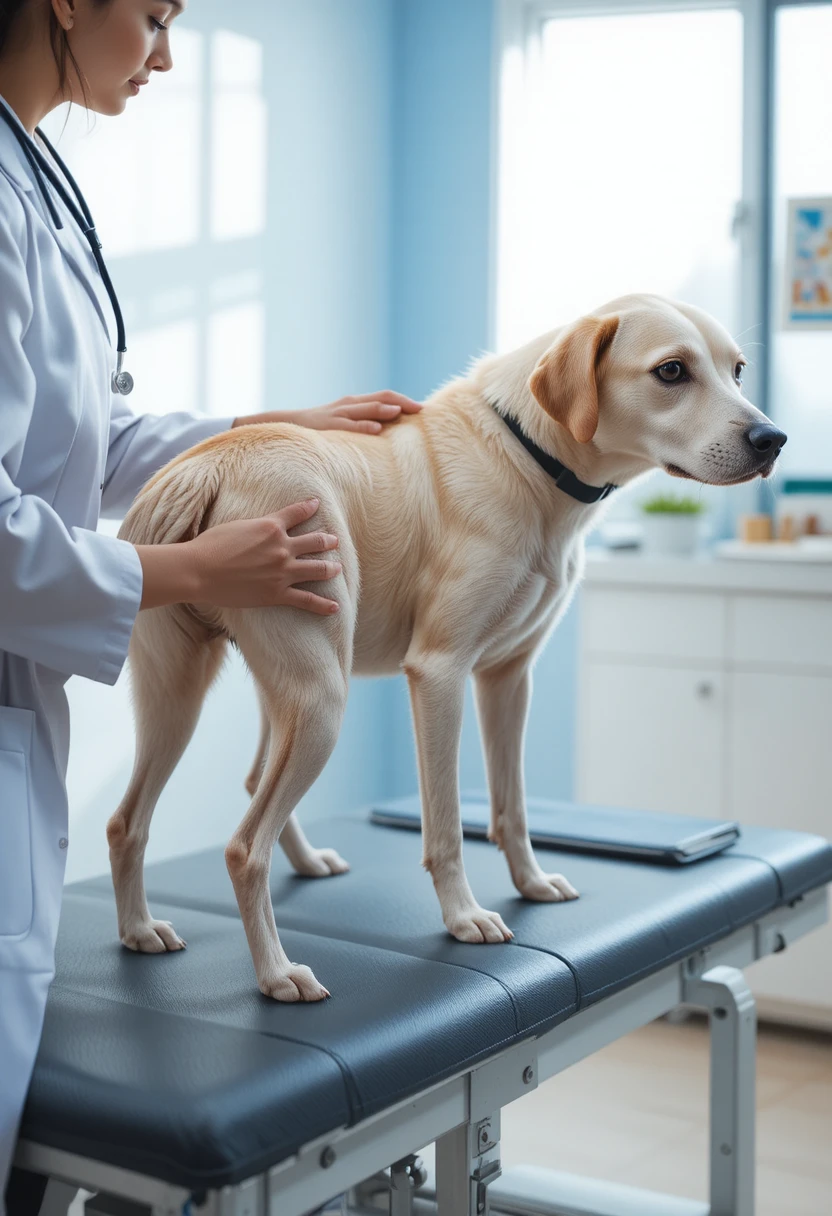
It’s tempting to jump straight to supplements or ramps, but the single most valuable first step is a proper veterinary evaluation. Your vet can determine whether your dog’s mobility issues stem from arthritis, hip dysplasia, a spinal condition, an injury, or something else entirely, and pain management is often the most important piece of the entire puzzle. A mobility aid will not help a dog whose pain hasn’t been addressed first, since he’ll still resist moving even with the right support in place.
Bring a list of specific changes you’ve noticed, even small ones like reluctance to jump or a new limp after rest, since these details help your vet zero in on the right diagnosis faster.
2. Adjust Your Dog’s Diet and Manage Weight Carefully

Extra weight is one of the most damaging things for an aging joint. Added pounds put direct pressure on already compromised hips, knees, and spines, accelerating the very deterioration you’re trying to slow down. As your dog becomes less active, his caloric needs typically drop too, so the amount you fed him at age five is very likely too much at age eleven.
Talk to your vet about a senior specific food formulated with joint support in mind, and pay close attention to portion sizes rather than simply free feeding. Keeping your dog at a lean, healthy weight is one of the most cost effective mobility interventions available, and it costs nothing beyond a bit of discipline with the food bowl.
3. Add Joint Supportive Supplements
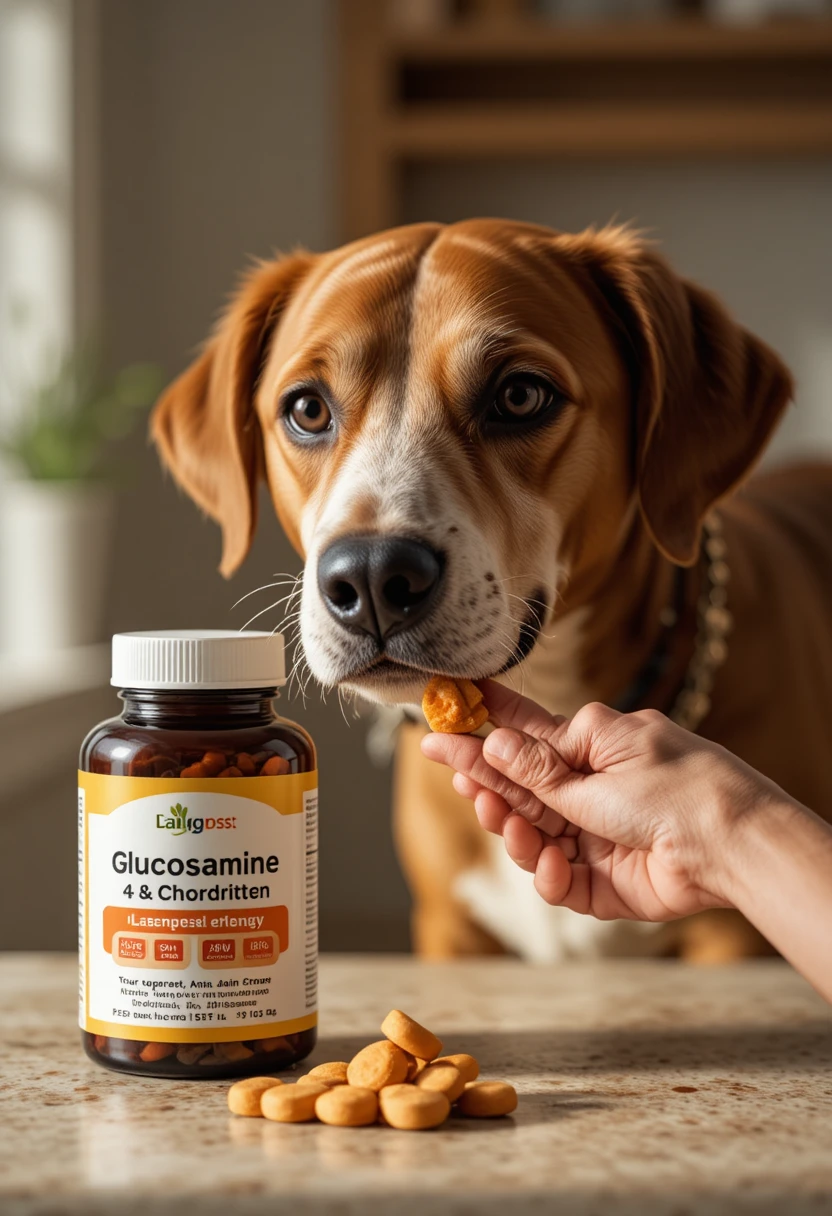
Glucosamine and chondroitin are the most commonly recommended supplements for supporting joint health in aging dogs, and many multi ingredient joint supplements also include omega 3 fatty acids for their anti inflammatory properties. Some newer formulations use ingredients like green lipped mussel extract or deer velvet, which some pet owners and vets have found helpful for joint comfort, though results vary by dog.
Supplements work gradually rather than overnight, so give any product several weeks before judging whether it’s helping. Always run new supplements past your vet first, particularly if your dog is already on prescription medication, to avoid any interactions.
4. Keep Up Gentle, Regular, Low Impact Exercise
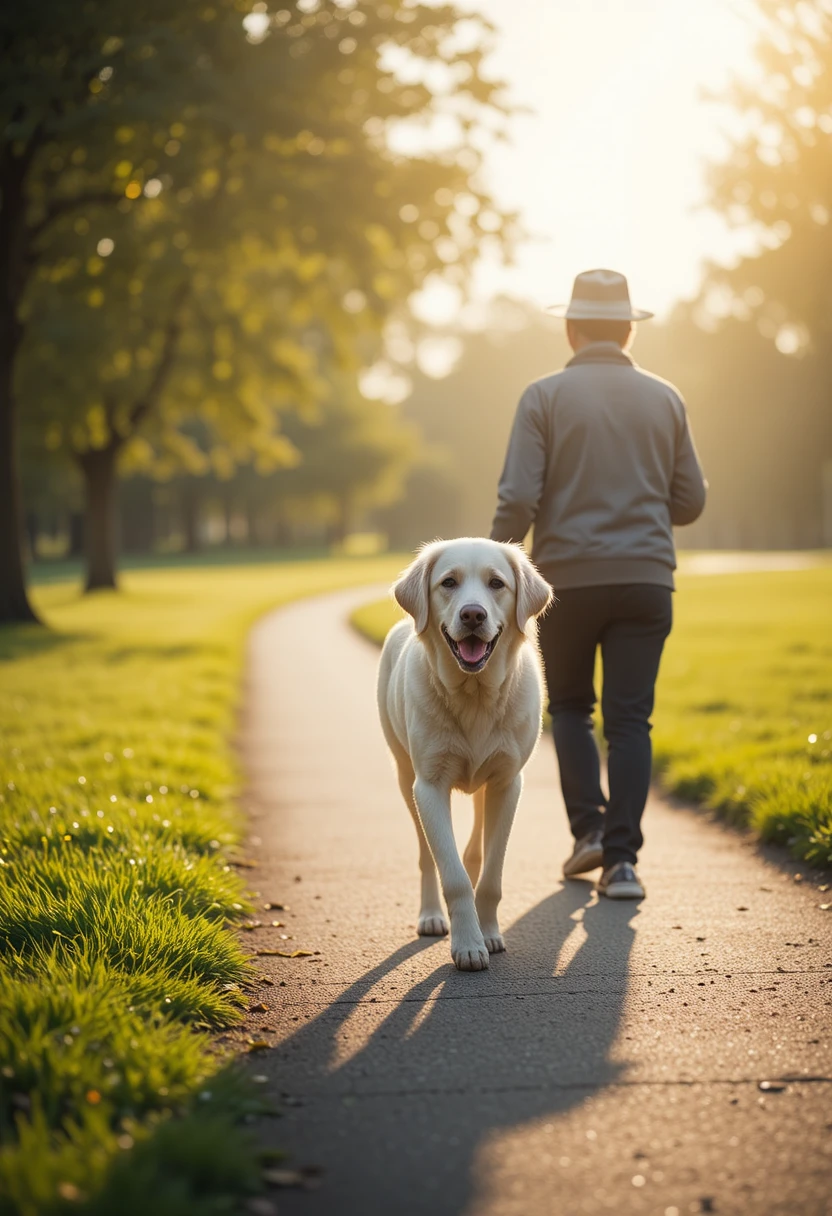
It might seem counterintuitive, but reducing activity to nearly nothing often makes mobility worse, not better. Regular, structured, low impact movement helps maintain muscle mass, flexibility, and joint lubrication, all of which decline faster with inactivity. The key word is low impact. Shorter, more frequent walks tend to work better than one long walk that leaves your dog stiff and sore the next day.
Avoid the “weekend warrior” pattern where your dog gets minimal exercise most days and then a big burst of activity on a hike or at the dog park, since that kind of overexertion is a common cause of flare ups and injury in senior dogs.
Read Also: 11 Best Ages to Spay or Neuter Your Puppy
5. Try Swimming or Hydrotherapy
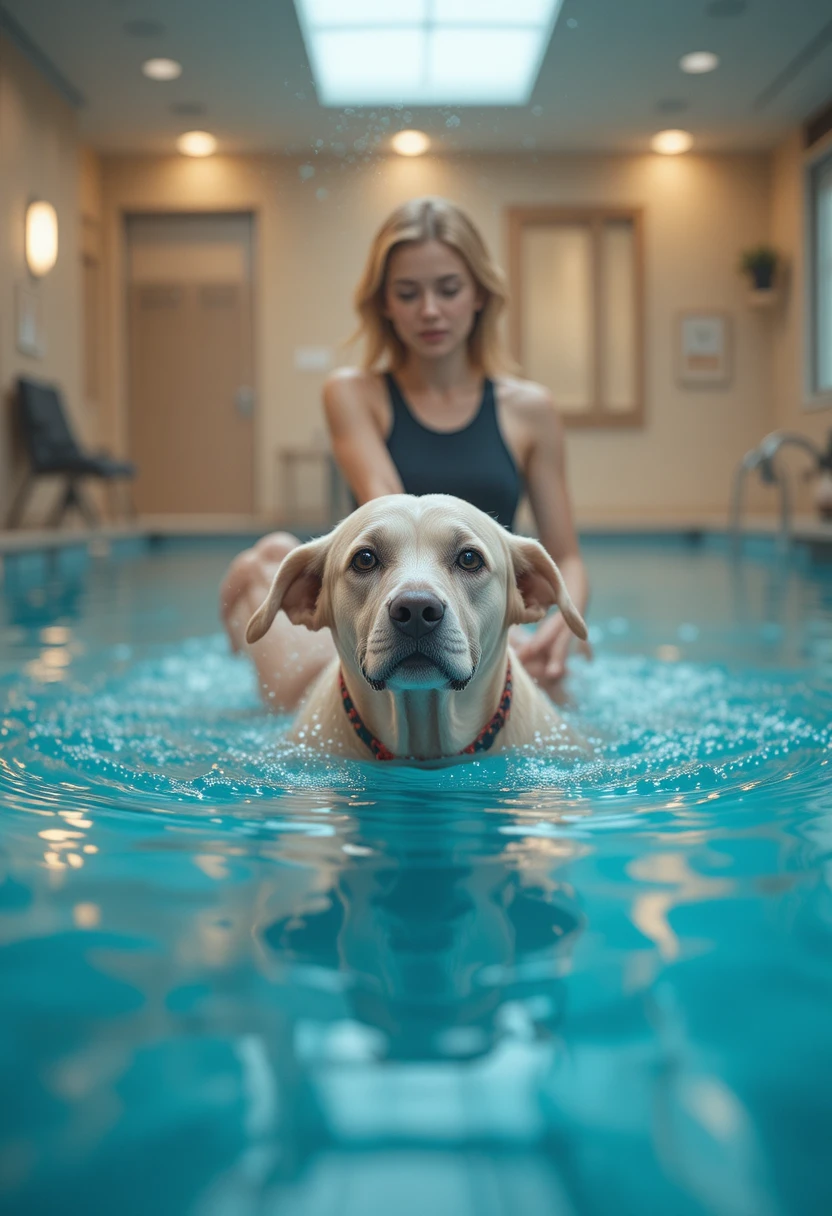
Water based exercise is one of the most highly regarded tools for dogs with mobility issues, and for good reason. The buoyancy of water dramatically reduces the pressure on painful joints while the natural resistance still lets your dog build and maintain muscle strength. Many veterinary rehabilitation centers now offer underwater treadmill sessions specifically designed for arthritic and post surgical dogs.
If a formal hydrotherapy center isn’t available near you, a calm, shallow, supervised swim in a safe body of water can offer some of the same benefits, though it’s worth discussing with your vet first, especially for dogs with heart or lung conditions.
6. Install Ramps Instead of Relying on Stairs or Lifting
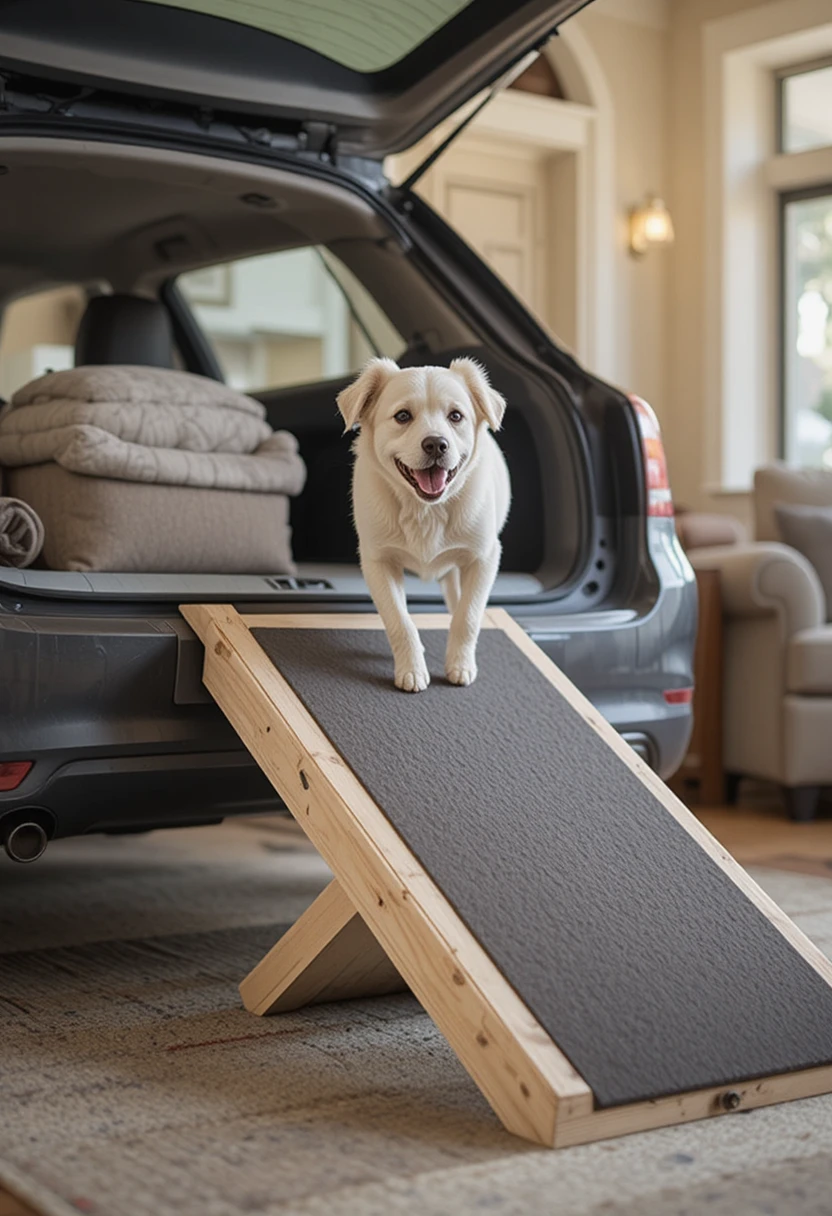
Jumping on and off furniture, in and out of cars, or up and down porch steps puts significant strain on aging joints, and repeated impact can worsen arthritis over time. A lightweight, foldable ramp for the car and a smaller ramp for the couch or bed can eliminate a huge amount of daily joint stress.
Look for ramps rated for your dog’s actual weight, with textured, non slip surfaces and side rails if your dog has any balance concerns. Introduce the ramp gradually with treats and encouragement, since some dogs need a bit of practice before they trust a new surface.
7. Add Non Slip Flooring Solutions
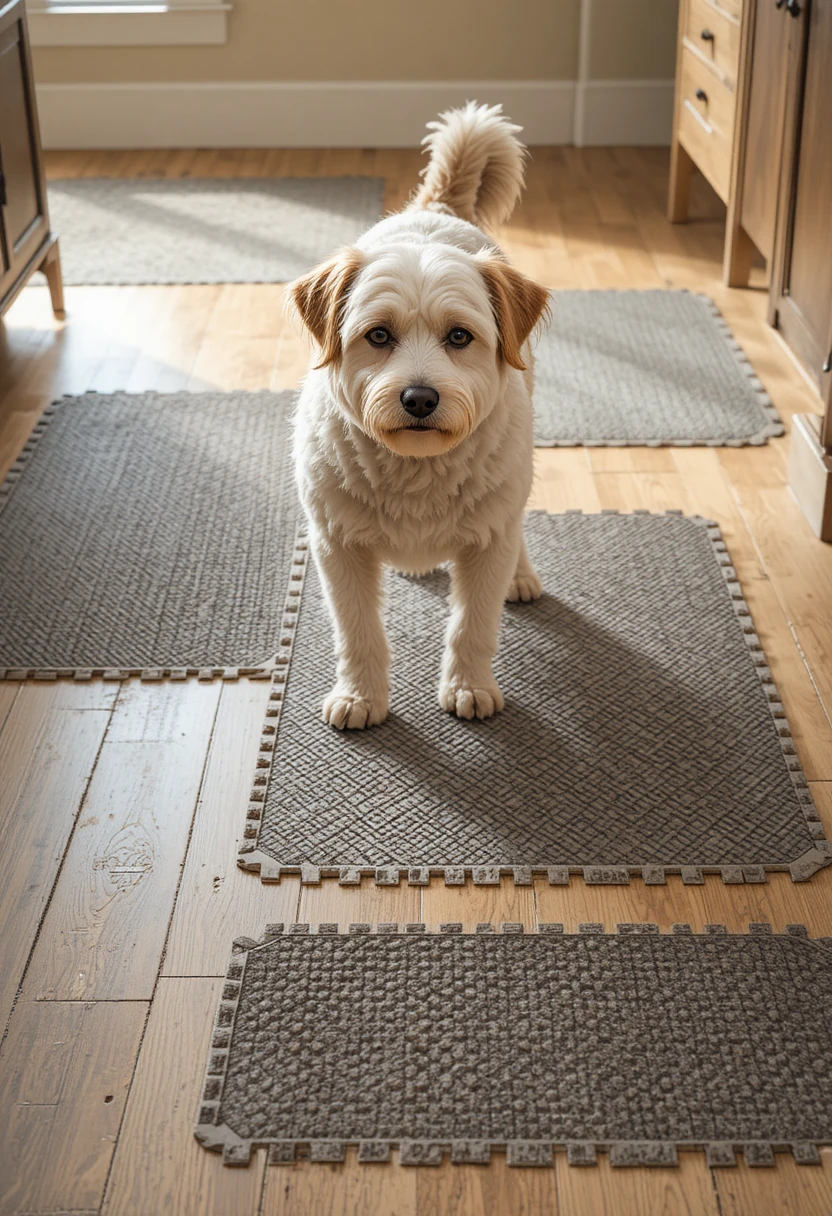
Slippery floors are genuinely one of the most dangerous everyday hazards for a dog with compromised mobility, and a bad fall can turn a manageable mobility issue into an emergency injury. Hardwood, tile, and laminate floors are particularly risky.
Simple, inexpensive fixes include runner rugs or carpet runners along frequently traveled paths, stick on non slip treads for stairs, and textured yoga mats in key areas like near food bowls or by the door. For dogs who struggle constantly on slick surfaces, non slip dog socks or paw grip wax can add traction directly to the paws themselves, which is particularly useful for dogs who need to navigate one especially slippery room.
8. Use a Mobility Harness or Sling for Support
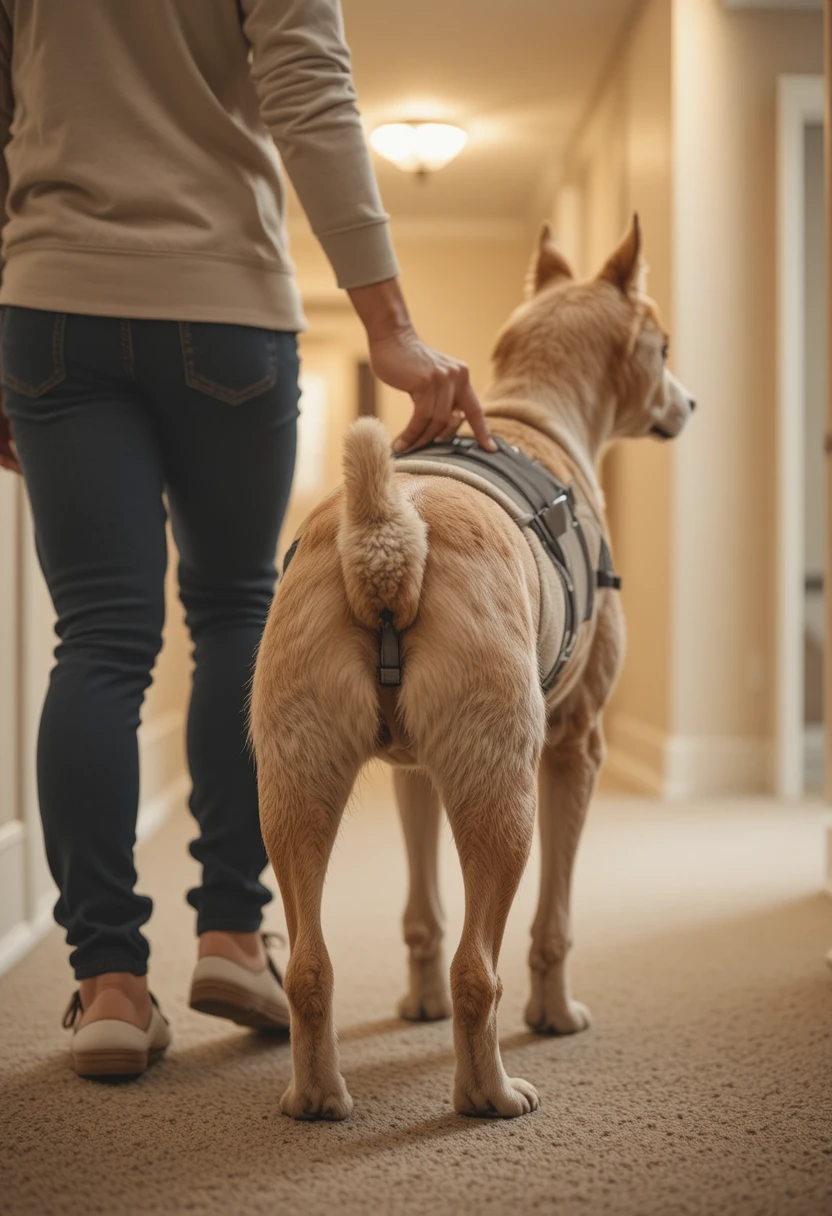
A support harness with a sturdy handle lets you assist your dog through the moments that are hardest on his body, climbing stairs, getting into the car, or standing up after lying down, without you having to lift his full weight or strain your own back. These harnesses typically feature a handle positioned over the front or rear of the dog’s body, or sometimes both, giving you a controlled way to offer a lift exactly when it’s needed.
This is a particularly useful tool for dogs who are still mobile and want to move independently but simply need a little extra stability during specific transitions, rather than needing to be carried entirely.
9. Elevate Food and Water Bowls
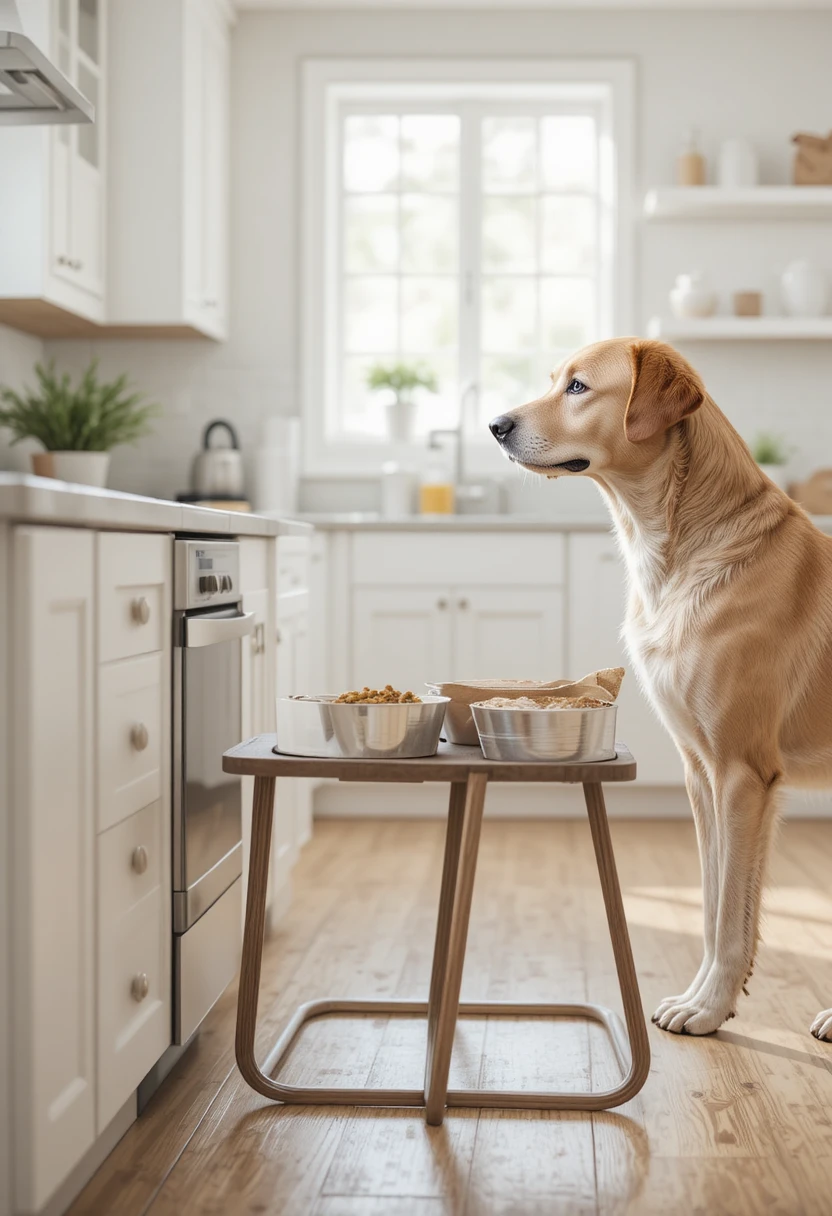
Bending down to a low bowl can be surprisingly uncomfortable for a dog with neck, back, or shoulder pain, and it’s an easy fix that many owners overlook. Raised, elevated bowl stands bring food and water up to a more comfortable height, reducing strain during a task your dog does multiple times a day.
The right height varies by dog size, so aim for a stand that lets your dog eat and drink with his neck roughly level rather than either straining upward or hunching down.
10. Set Up an Orthopedic Bed and Restrict Access to Risky Areas
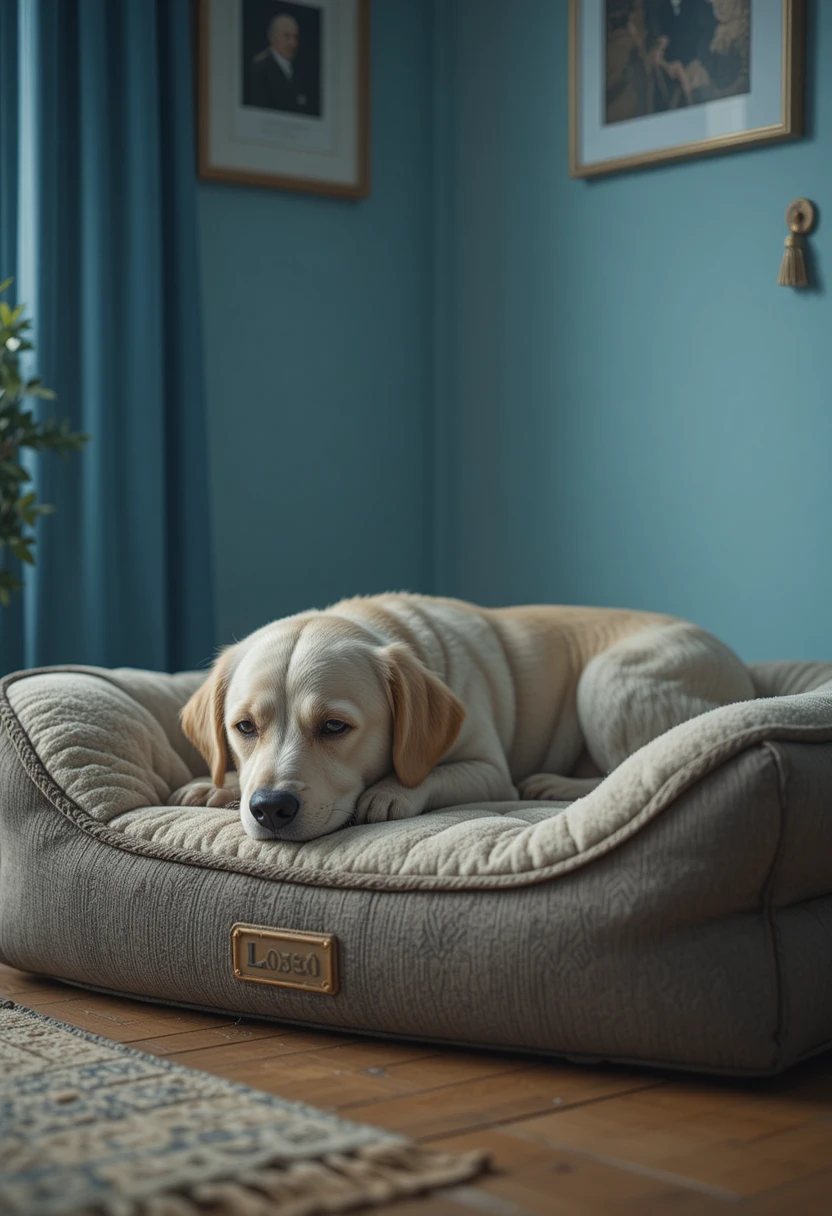
A supportive, orthopedic memory foam bed cushions aging joints far better than a thin or worn out bed, and it can noticeably ease the stiffness your dog feels after resting, particularly first thing in the morning. Placing the bed somewhere quiet, warm, and easy to access (avoiding areas your dog has to climb stairs to reach) makes a real difference too.
At the same time, consider using baby gates or dog gates to block off staircases or slippery rooms your dog doesn’t need regular access to. Limiting exposure to your home’s riskiest areas is one of the simplest ways to prevent an unnecessary fall.
11. Explore Pain Management and Alternative Therapies With Your Vet
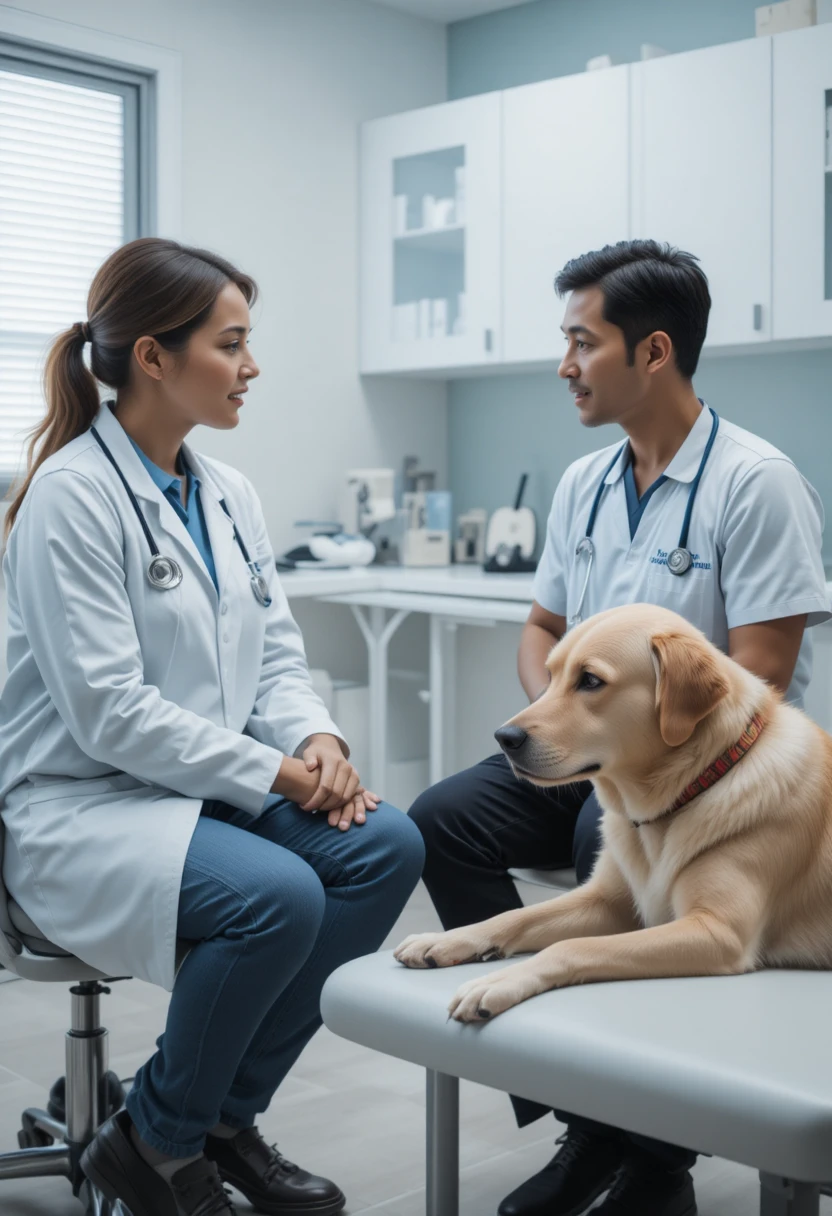
Beyond diet and home modifications, there’s a wide range of therapies that can meaningfully improve comfort and mobility. NSAIDs and other anti inflammatory medications prescribed by your vet are often the most impactful single intervention for arthritis pain, since a dog who’s less afraid of pain moves more naturally and confidently.
Complementary options worth discussing with your veterinarian include acupuncture, therapeutic massage, laser therapy, and pulsed electromagnetic field therapy devices, which some owners have used to reduce reliance on daily medication. None of these should replace a vet’s guidance, but combined with an appropriate pain management plan, many dogs show real improvement in comfort and willingness to move.
12. Consider a Wheelchair or Mobility Cart for Advanced Cases
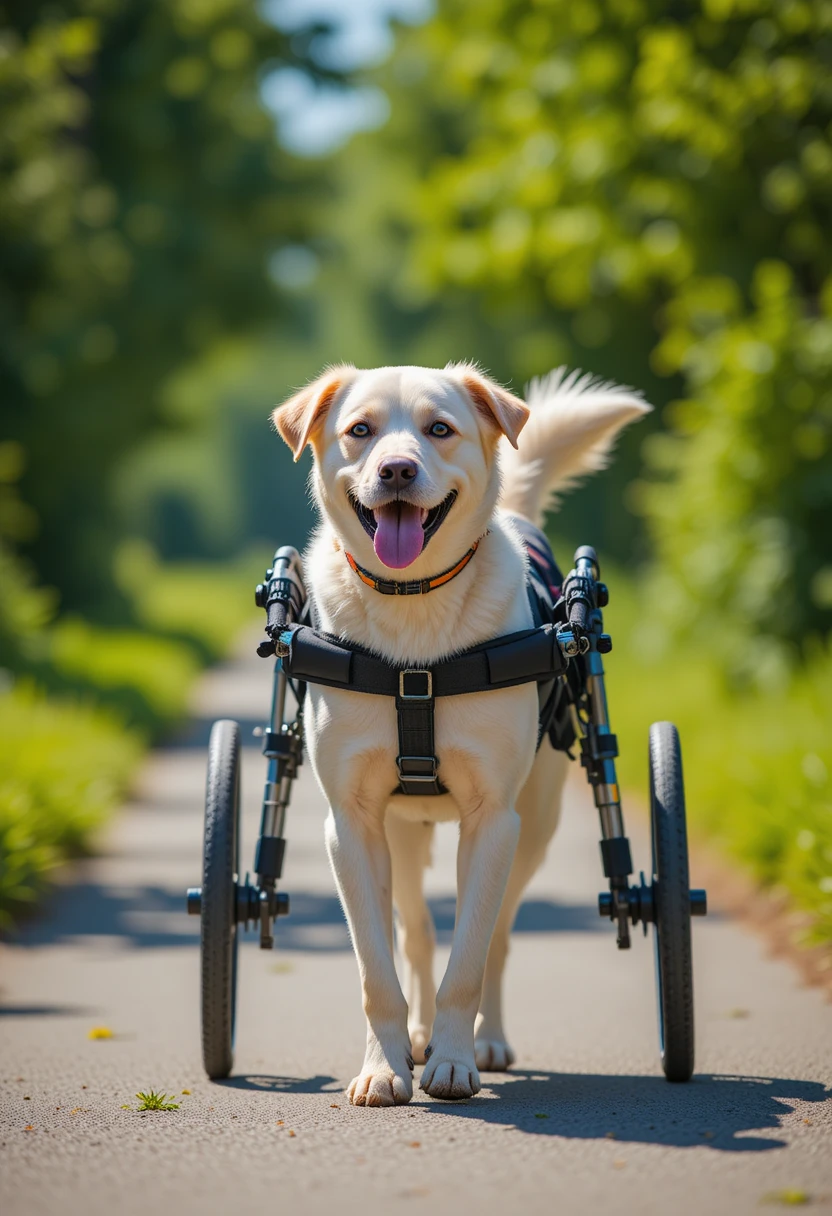
For dogs with significant hind end weakness, whether from severe arthritis, degenerative myelopathy, or another advanced condition, a dog wheelchair or mobility cart can restore an enormous amount of independence and joy. These carts support the dog’s weight so they can walk, explore, and even play without dragging or injuring a weak limb, and many dogs adapt to them remarkably quickly.
Your dog doesn’t need to be fully paralyzed to benefit from a cart. Many are used successfully by dogs who can still walk short distances on their own but need extra support and confidence for longer outings or walks around the neighborhood.
13. Adjust Expectations and Add Mental Enrichment
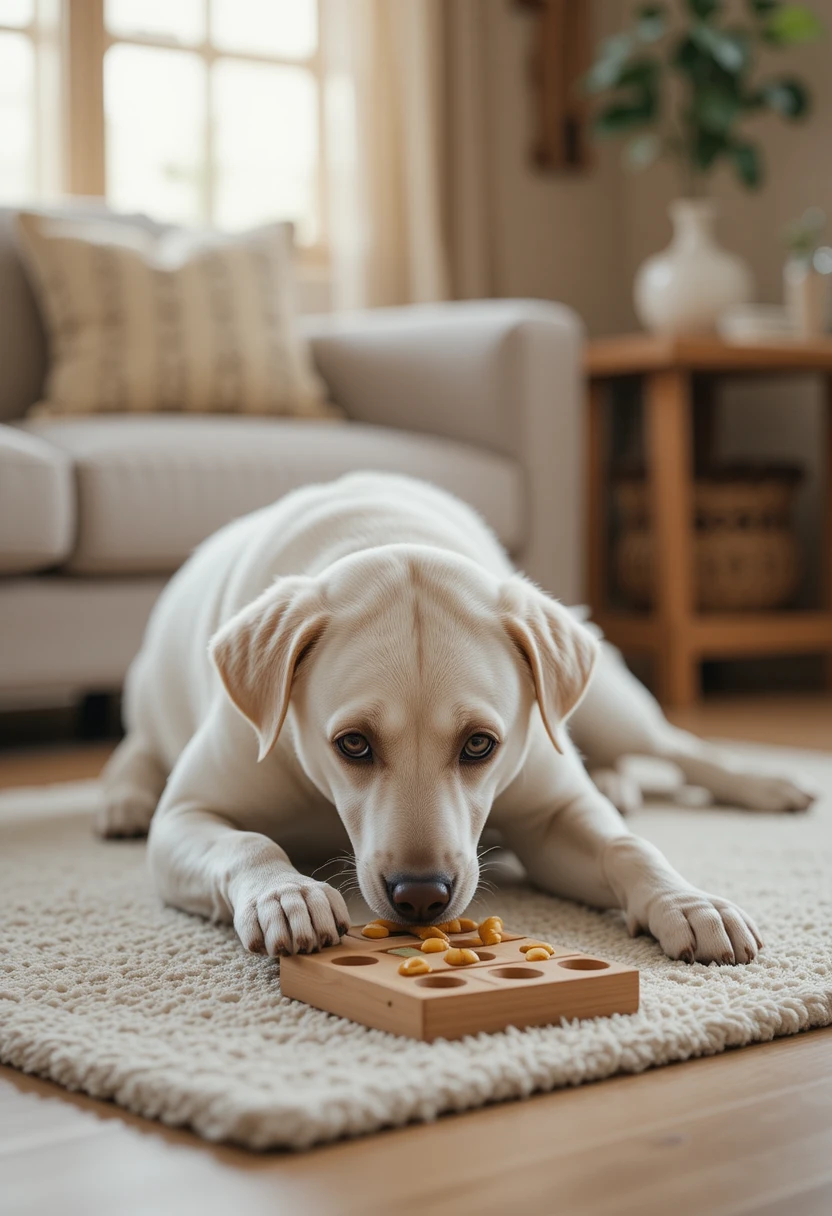
Shorter walks don’t have to mean a less fulfilling life. If your dog’s outdoor time needs to shrink, compensate with enrichment at home, such as scattering kibble in the grass for a gentle sniff based hunt, puzzle feeders, or short training sessions that engage his mind without straining his body. For smaller dogs, a dog stroller can be a wonderful way to keep him included on family walks and outings even when his legs can’t cover the distance anymore.
Watch for behavior changes too. Increased crankiness, reluctance to be touched in certain spots, or general withdrawal can all be subtle signs of pain, and any noticeable change in behavior is worth mentioning to your veterinarian, even if it doesn’t seem obviously related to mobility.
When to Call the Vet Immediately
While gradual mobility decline is common in senior dogs, certain signs warrant an urgent call rather than a wait and see approach. These include a sudden inability to stand or walk, dragging of one or both hind legs, visible pain when touched, loss of bladder or bowel control, or any sudden worsening after a fall. These can indicate a spinal emergency or another serious condition where quick veterinary attention makes a meaningful difference in outcome.
Frequently Asked Questions
Is it normal for older dogs to lose mobility?
Yes, some decline in mobility is a normal part of aging, largely driven by arthritis and natural muscle loss. That said, “normal” doesn’t mean nothing can be done. Many of the strategies above can meaningfully slow the decline and improve comfort.
Can mobility issues in senior dogs be reversed?
Some causes, like excess weight or muscle deconditioning from inactivity, can be substantially improved with the right diet and exercise plan. Degenerative conditions like advanced arthritis usually can’t be fully reversed, but pain and mobility can often still be significantly improved with the right combination of management, medication, and support.
What is the best supplement for an older dog’s joints?
Glucosamine and chondroitin combined with omega 3 fatty acids are the most well established options, though your vet may recommend a specific formulation based on your dog’s individual needs and any other medications he’s taking.
How do I know if my dog is in pain from mobility issues?
Signs include reluctance to jump or climb stairs, limping, stiffness after rest that improves with movement, whimpering when touched in certain areas, decreased appetite, and behavior changes like increased irritability or withdrawal. Any of these are worth discussing with your vet.
Should I still walk my dog if he has mobility issues?
In most cases, yes, gentle and regular movement is usually better than complete rest, since inactivity often accelerates muscle loss and stiffness. Talk to your vet about the appropriate length, frequency, and intensity of walks for your dog’s specific condition.
Final Thoughts
An aging dog with mobility issues isn’t a dog whose best days are behind him. With the right combination of veterinary guidance, home modifications, and a little patience, most senior dogs can continue to enjoy walks, cuddles, car rides, and daily adventures well into their later years. Start with a vet visit to understand what’s actually going on, then layer in the changes from this list that make the most sense for your dog’s specific situation. Small, consistent adjustments add up to a dog who moves more comfortably, more confidently, and for a lot longer than you might expect.