
Your puppy’s whole future personality is being written right now and you have about eleven weeks to help them write a good story.
That sounds dramatic, but it’s true. Between 3 and 14 weeks old, a puppy’s brain is wide open to new experiences in a way it will never be again. Everything they meet during this window strangers, staircases, vacuum cleaners, other dogs, thunderstorms gets filed away as either “normal and safe” or “scary and worth avoiding.” Miss this window, and you’re often stuck managing fear instead of preventing it.
Here’s the good news: you don’t need a dog trainer’s salary or a packed calendar to get this right. You just need the right ideas, done consistently, in the right order.
Why Puppy Socialization Matters (and Why So Many Owners Get It Wrong)
Socialization isn’t the same as “letting your puppy play with other dogs.” That’s part of it, but it’s a small part.
Real socialization means exposing your puppy gently and positively to the sights, sounds, textures, people, and situations they’ll encounter for the rest of their life. Done well, it builds a dog who can handle a thunderstorm, a vet visit, a toddler grabbing their tail, or a skateboard rolling past without falling apart.
Done poorly (or skipped entirely), it builds a dog who’s reactive, anxious, or fearful as an adult and those behaviors are far harder to fix at two years old than they are to prevent at two months old.
Here’s the thing: most behavior problems trainers see in adult dogs leash reactivity, fear of strangers, noise phobias trace back to a puppyhood that didn’t include enough of the right exposure. This guide exists to help you avoid that.
The Puppy Socialization Window: 3–14 Weeks, Explained
Veterinary behaviorists point to roughly 3 to 14 weeks of age as the ideal window for puppy socialization, since a puppy’s brain is most open to new experiences during this period. After that window closes, puppies naturally become more cautious of new things it’s a survival instinct, not a training failure.
That means the bulk of this work happens before your puppy is fully vaccinated, which is exactly why so many owners accidentally skip it they’re waiting for the vet’s “all clear” before starting anything. Don’t wait. You just need to socialize smart, not reckless.
But there’s a catch: the risk of a puppy contracting an infectious disease is higher before 16 weeks of age, so safety and socialization have to happen together, not one after the other.
How to Socialize a Puppy Safely Before Vaccines Are Complete
You can absolutely start socializing on day one home, as long as you follow a few precautions:
- Carry them instead of letting them walk on public ground. A stroller, sling, or simply carrying your puppy lets them see, hear, and smell the world without touching surfaces where unvaccinated dogs may have been.
- Stick to healthy, fully vaccinated dogs only. Only allow your puppy to interact with dogs you know are healthy and fully vaccinated.
- Use a blanket or mat in public spaces. Setting up a blanket off to the side of a busy area lets your puppy observe and absorb the environment while staying off potentially contaminated ground.
- Avoid areas with unknown wildlife traffic. Steer clear of spots where wild animals frequent, since they can carry diseases, and prevent contact with unfamiliar urine or feces.
With those guardrails in place, you’re ready for the real work. Here’s the list you came for.
11+ Best Ideas to Socialize Your Puppy
Work through these at your puppy’s pace not all in one week, and never all in one day. Tip #7 below is the one most new owners forget entirely, so don’t skip it.
1. Let Your Puppy Meet a Variety of People
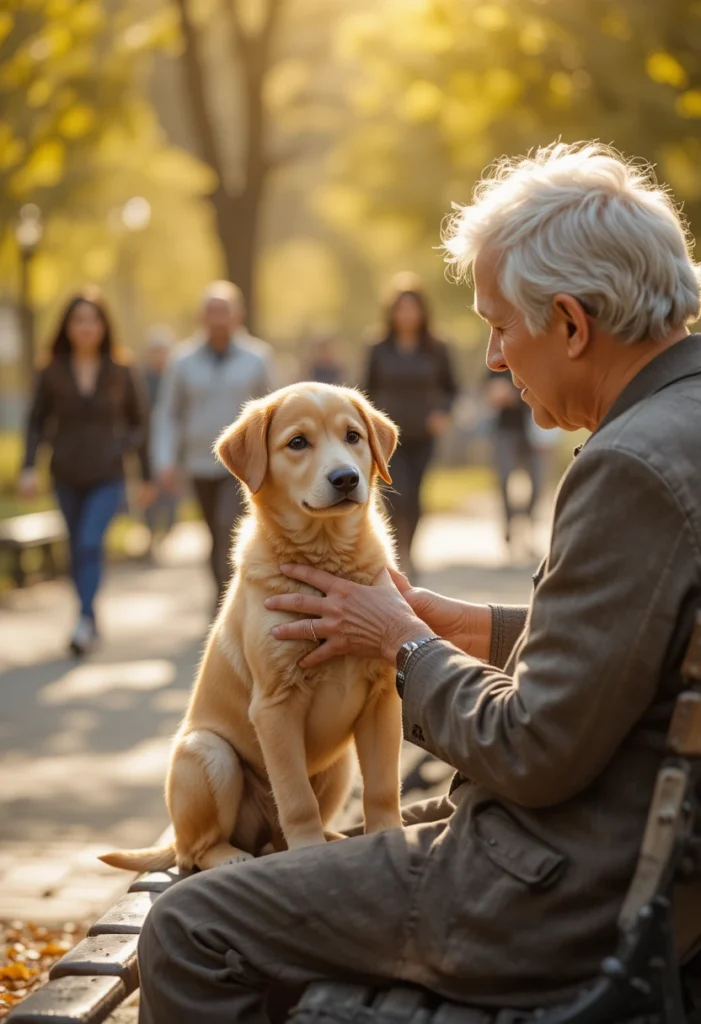
Don’t just introduce your puppy to family. Let your puppy meet people of different ages, sizes, and appearances, and let family and friends handle them gently so they get comfortable being touched by others.
Think hats, sunglasses, beards, wheelchairs, uniforms, and kids of different ages. The goal is variety, not volume.
Quick tip: Ask every new person to offer a treat calmly, at the puppy’s level never looming over them.
2. Arrange Safe, Controlled Playdates
Puppy playdates are one of the highest-value socialization tools you have. Arrange playdates with friends’ calm, friendly, vaccinated dogs, or visit a trusted friend’s house or garden that’s safe from unvaccinated dogs or wild animals. Keep playdates short and supervised five confident, happy minutes beats thirty overwhelming ones.
3. Enroll in a Puppy Socialization Class
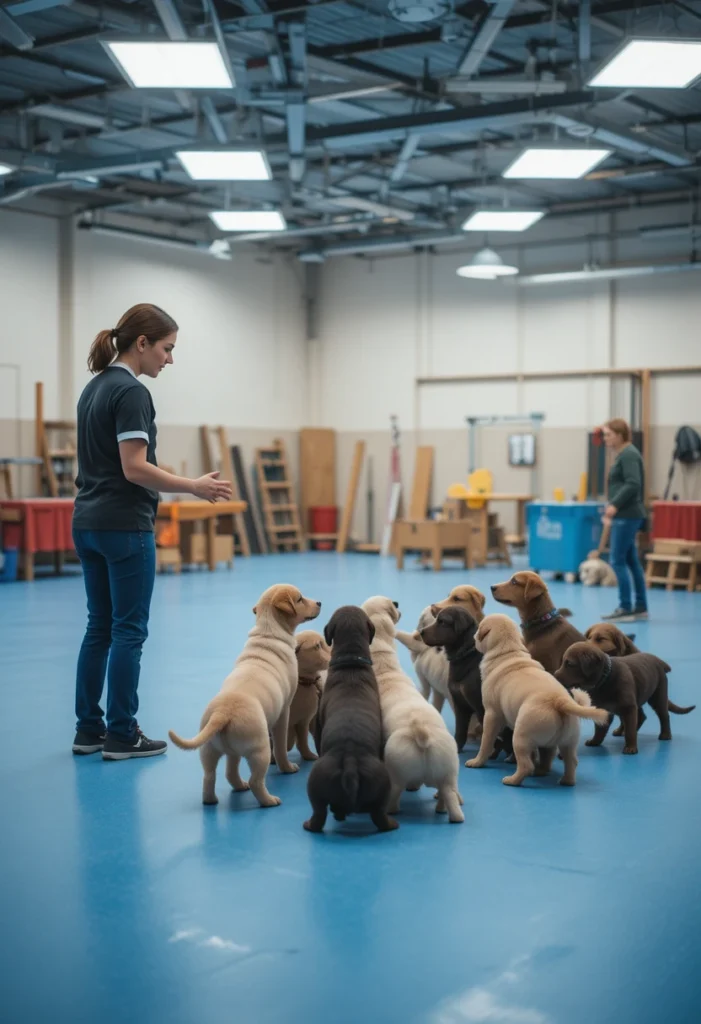
This is the single best “shortcut” on this list. Puppy classes are a great way for your puppy to learn basic obedience skills while socializing with other puppies, and they focus on positive reinforcement while keeping you involved in the training process.Look for a class with a vaccination requirement for all attending puppies that’s a sign it’s run responsibly.
Read Also:Why Is My Cat Not Eating? 10+ Reasons Behind Sudden Appetite Loss (And What To Do About It)
4. Introduce a Wide Range of Everyday Sounds
Doorbells, vacuums, hairdryers, thunderstorm recordings, garbage trucks exposing puppies to a variety of sounds, scents, surfaces, and objects helps them become comfortable with typical experiences they’ll have as adult dogs.Start quiet and far away, then gradually increase volume as your puppy stays relaxed.
5. Get Them Used to Handling and Grooming
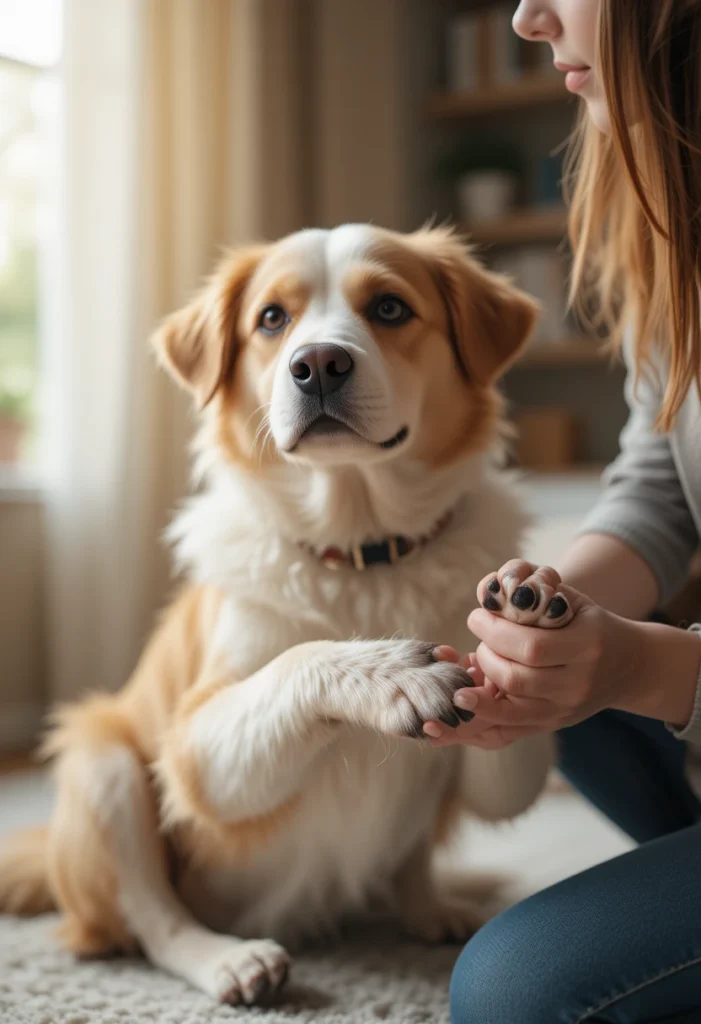
Gently touch paws, ears, mouth, and tail daily, pairing it with treats. This one habit prevents years of vet-visit and nail-trim stress later. A puppy who’s used to being handled becomes an adult dog who tolerates the groomer, the vet tech, and the emergency exam without a fight.
6. Introduce New Surfaces and Textures
Grass, tile, carpet, gravel, metal grates, wobbly boards every new texture under their paws is a small confidence deposit. Let them sniff and step on their own terms; never drag or force a paw onto something scary.
7. Practice Car Rides to Fun (Not Just Scary) Places
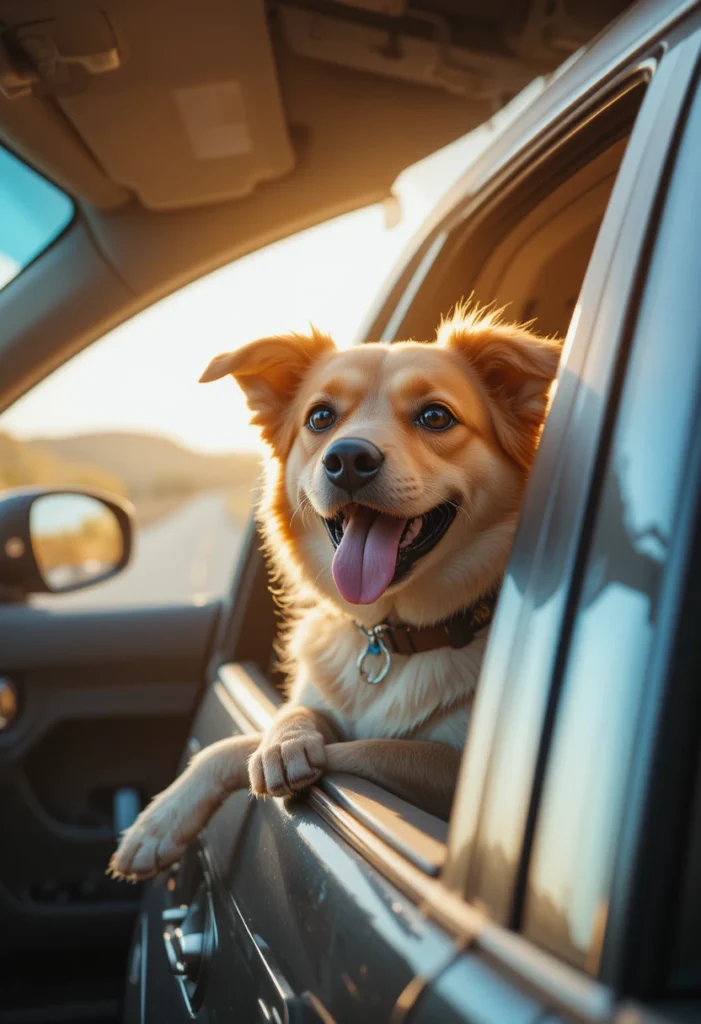
Most puppies only ride in the car to the vet no wonder so many hate it. Break that pattern early: short drives that end at a park, a friend’s yard, or just a drive-through pit stop for a lick of puppy-safe whipped cream can rewire the whole association.
Read Also: 12+ Signs Your Pet Has Fleas (Before They Take Over Your Home)
8. Use a Stroller, Sling, or Carrier for Public Outings
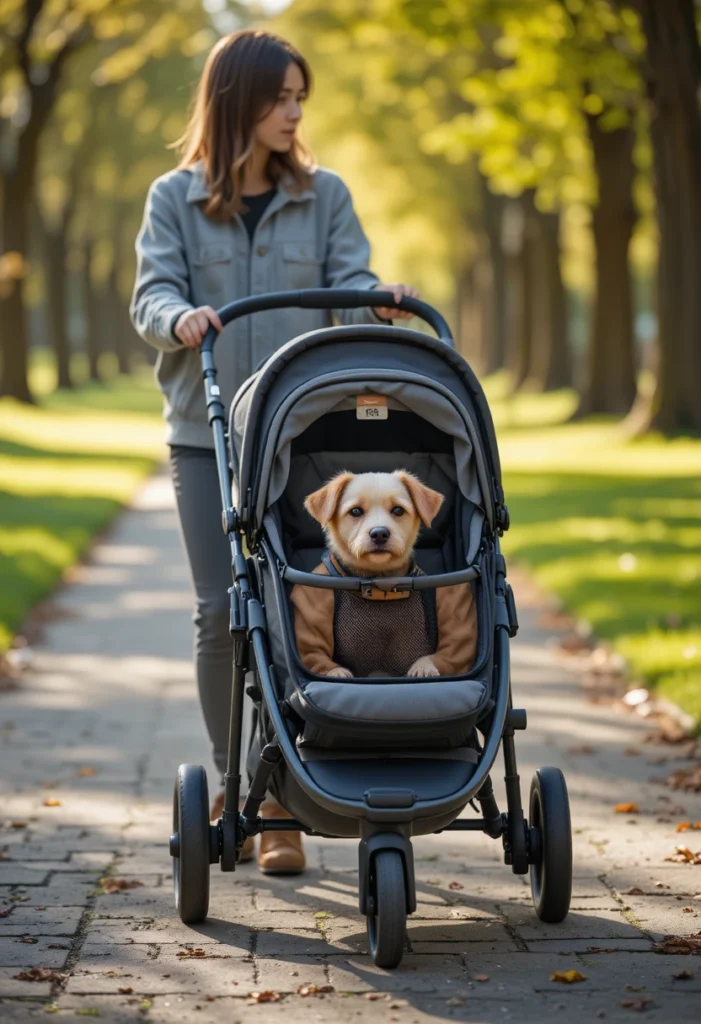
Before vaccines are complete, this is your golden ticket. A stroller, sling, or carrying your puppy lets them safely experience busy public areas farmers markets, sidewalk cafes, downtown sidewalks without touching risky ground.
9. Practice Calm, Confident Alone Time
Socialization isn’t only about other things it’s also teaching your puppy that being alone is safe. Start with a few minutes in another room with a stuffed toy, building duration gradually. This is one of the most overlooked pieces of confidence-building on this entire list.
10. Introduce Everyday Objects and Gear
Umbrellas opening, bicycles rolling by, skateboards, strollers, luggage on wheels provide gentle exposure to sights, sounds, and situations puppies will experience as adults, always watching their body language along the way.
11. Visit Dog-Friendly Stores, Patios, and Cafes

Once your vet gives the okay, dog-friendly retailers and patios are socialization goldmines: new floors, new smells, strangers who want to say hi, and other well-mannered dogs, all in one low-stakes outing.
Bonus Idea: Throw a “Puppy Party”
You can throw a puppy party and invite people, along with fully vaccinated and healthy dogs of all ages, to meet your new puppy in the comfort of your own home one of the lowest-stress ways to pack in a lot of positive exposure at once.
Signs Your Puppy Is Overwhelmed (Watch For These)
Socialization only works when it’s positive pushing through fear backfires. Watch your puppy’s body language throughout every outing, and step back the moment you see:
- Tucked tail or flattened ears
- Lip licking, yawning, or excessive panting when not hot or tired
- Trying to hide behind you or bolt away
- Freezing in place, refusing to move
If your puppy appears uncomfortable, don’t force them into the situation let them take things at their own pace, and keep sessions positive and short if needed. If they show fear, over-arousal, or avoidance, take a step back and do something they enjoy for a few minutes before trying again, at a lower intensity than before.
Common Puppy Socialization Mistakes to Avoid
- Waiting for vaccines to be “done” before starting anything you’ll miss most of the critical window.
- Flooding, not exposing dragging a puppy toward what scares them instead of letting them approach on their own terms.
- Overdoing one outing instead of many short, positive ones.
- Skipping the “boring” stuff sounds, surfaces, and handling matter just as much as meeting other dogs.
- Ignoring body language in favor of “getting through” the exposure.
FAQ: Puppy Socialization Questions Owners Ask Most
When should I start socializing my puppy?
As soon as you bring them home ideally by 7–8 weeks old, well within the 3–14 week critical window.
Can I socialize my puppy before they’re fully vaccinated?
Yes, using precautions like carrying them in public, using a blanket in busy areas, and only allowing contact with known, vaccinated, healthy dogs.
How long should a socialization session last?
Short and positive beats long and overwhelming a few focused minutes per new experience is plenty, especially early on.
What if my puppy seems scared of everything?
Slow down, shorten sessions, and stick to lower-intensity exposures for a while. If fear shows up even in calm, well-controlled situations, it’s worth seeking guidance from your veterinarian.
Is puppy socialization really that important?
Yes it’s one of the biggest predictors of whether your dog grows into a confident adult or a fearful, reactive one.
The Bottom Line
Socializing a puppy isn’t about doing everything perfectly it’s about doing a little bit, often, positively. Work through this list at your puppy’s pace, watch their body language, and keep every experience upbeat with plenty of treats and praise.
The dog you’ll have in a year is being shaped by the walks, playdates, and car rides you take this month.