
Your cat has been scratching more than usual. Maybe you caught them chewing at their back leg last night, or you noticed a few tiny black specks in their fur while petting them on the couch. You’re not imagining it, and you’re not overreacting. That itch you’re seeing could be the first visible clue of a flea problem that’s already bigger than it looks.
Here’s the tricky part: fleas are experts at staying hidden. They’re fast, they’re tiny, and cats are meticulous groomers who often lick away the evidence before you ever spot a live bug. That means most cat owners never actually see a flea. Instead, they notice the signs fleas leave behind, and by the time those signs show up, an infestation is often already settling into the carpet, the couch, and the cat bed too.
This guide walks you through every sign worth watching for, the two simple tests that can confirm fleas in under two minutes, and exactly where to look on your cat’s body first. Stick around for the flea dirt test below, because it’s the single most reliable way to know for sure, and most owners have never heard of it.
Why Fleas Are So Easy to Miss on Cats
Cats groom themselves constantly, which works against you when you’re trying to catch fleas in the act. A flea bites, your cat licks or bites at the itch, and the flea simply moves to a new hiding spot before you notice anything. On top of that, adult fleas are only about 1 to 3 millimeters long and reddish brown, so they blend right into darker fur.
Here’s the thing most people don’t realize: the fleas you can actually see on your cat make up only a small fraction of the total infestation. Eggs, larvae, and pupae are also multiplying in your carpet, bedding, and furniture, often without a single flea visible on your cat at all. That’s why learning the indirect signs matters just as much as spotting an actual bug.
13+ Signs Your Cat May Have Fleas
Watch for these signs, especially if more than one shows up at the same time.
1. Sudden or Excessive Scratching
Every cat scratches occasionally. But if your cat is scratching noticeably more than usual, especially around the neck, back legs, or tail base, fleas are one of the most common culprits.
2. Overgrooming and Licking

Cats are subtle about discomfort. Instead of scratching, many will lick or chew at their fur obsessively, especially along the belly, inner thighs, or lower back. This overgrooming is often mistaken for a normal habit until bald patches appear.
3. Bald or Thinning Patches
When licking turns into overgrooming, fur starts to thin. Look for bald spots along the back half of the body, particularly near the tail base and hind legs, which is prime flea real estate.
4. Tiny Black “Pepper” Specks in the Fur
This is flea dirt, and it’s one of the clearest signs of an infestation. It looks like ground black pepper scattered through the coat, especially around the neck and rump. Save this test for later: the section below shows you exactly how to confirm it in under two minutes.
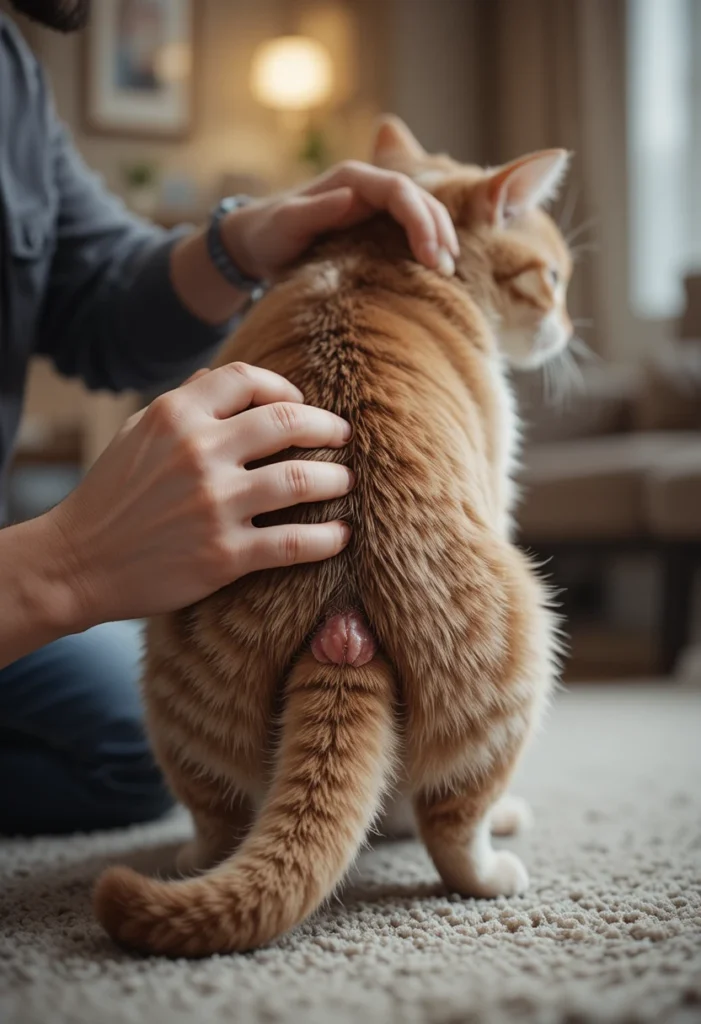
5. Small Red or Pink Bumps
Flea bites often show up as tiny raised, pink bumps, sometimes appearing individually and sometimes clustered together. They’re most common on the belly, groin, and inner legs.
Read Also: 13+ Pet Insurance vs Savings Account Ideas: Which One Actually Protects Your Wallet?
6. Scabs and Crusty Skin
Repeated scratching and biting can break the skin, leading to small scabs or crusty patches. In cats with a flea allergy, this can develop into a widespread rash known as flea allergy dermatitis.
7. Restlessness or Sudden Bursts of Movement
Does your cat suddenly bolt across the room like something startled them, with no obvious trigger? Sharp, unexpected flea bites can cause exactly that kind of reaction.
8. Head Shaking

If fleas have made their way near the ears, a cat may shake its head repeatedly or scratch at its ears more than usual.
9. Hiding or Avoiding Touch
A cat that’s itchy and uncomfortable may start avoiding being picked up or petted in certain spots, or may retreat to hide more than they normally would.
10. Tiny White Specks That Look Like Salt
These are flea eggs, and they’re often found alongside flea dirt, creating what many vets call a “salt and pepper” pattern in the coat. Eggs actually make up around half of a flea population, while adult fleas are a much smaller percentage, so finding eggs is a strong warning sign even without spotting a live flea.
11. Actually Seeing a Live Flea
This is the most obvious confirmation, but also the hardest to catch. Part the fur gently in a well lit area, focusing on the neck and tail base, and look for a fast moving, dark, sesame seed sized insect.
12. Small Rice Like Segments Near the Tail
Fleas can transmit tapeworms to cats. If you notice tiny, rice grain sized segments near your cat’s tail or in their bedding, it’s worth mentioning to your vet along with any flea signs you’ve spotted, since the two often show up together.
13. Unexplained Bites on Your Own Ankles

Fleas aren’t picky about their host. If you or family members are getting itchy, unexplained bites around the ankles or lower legs, it’s time to check the cat, and the house.
Bonus Sign: Pale Gums in Kittens
In kittens or cats with a heavy flea burden, a large number of fleas feeding on blood can lead to anemia. Pale gums are a warning sign that needs a same day vet visit, not a wait and see approach.
The Flea Dirt Test: How to Confirm It in Under 2 Minutes
If you’ve spotted any of the signs above, this simple test gives you a clear yes or no answer.
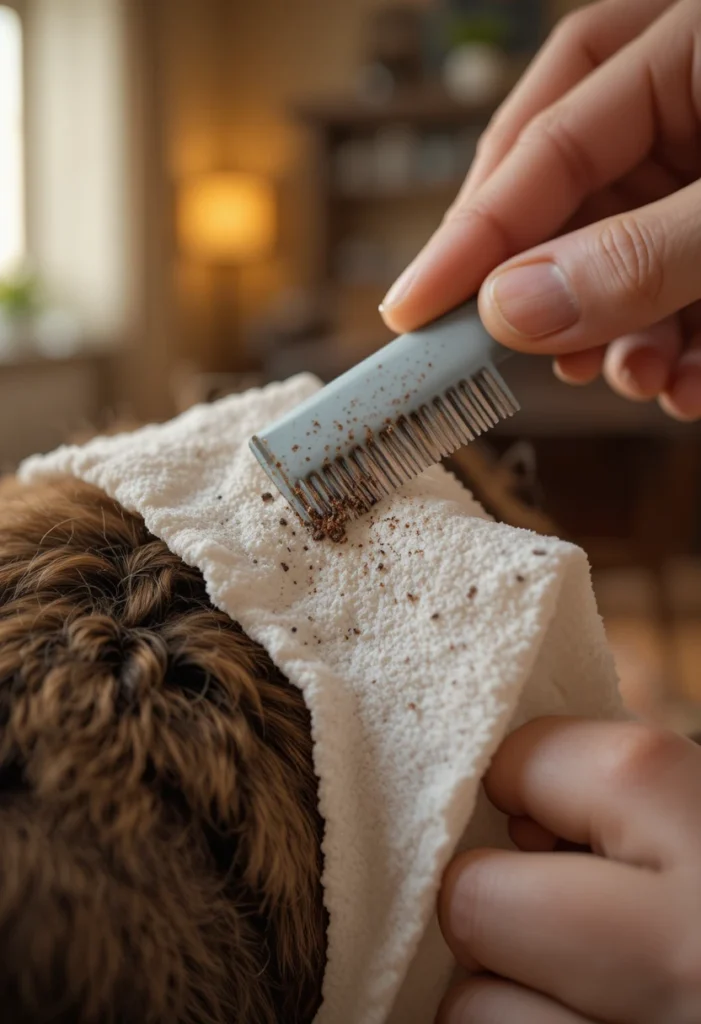
- Grab a fine toothed flea comb and a damp white paper towel.
- Comb through the fur at the base of the tail, along the back, and around the neck, pressing gently down to the skin.
- Wipe any debris collected on the comb onto the damp paper towel.
- Add a few drops of water if the towel isn’t already wet enough to dissolve the specks.
- Watch what happens next. If the black specks dissolve into a reddish brown or rusty color, that’s digested blood, meaning it’s flea dirt, not regular dirt.
Quick summary: black specks that turn red on a wet paper towel confirm fleas, even if you never see a live one. This test alone is more reliable than trying to spot a fast moving flea in thick fur.
Where to Check First: Fleas’ Favorite Hiding Spots
Fleas gravitate toward warm, hard to groom areas of a cat’s body. When you’re checking for signs, start here:
- Base of the tail, one of the most common hiding spots on any cat
- Neck and collar area, another spot cats can’t easily reach to groom
- Belly and groin, especially in cats with a flea allergy
- Under the armpits and inner legs
- Around the ears, particularly relevant if your cat is shaking its head
Parting the fur slowly in good lighting across these five zones will catch far more than a quick once over glance at the cat’s back.
Do Indoor Only Cats Get Fleas Too?
Yes, and this catches a lot of owners off guard. Fleas don’t need your cat to go outside to find their way in. They can hitch a ride on your shoes, on a visitor’s clothing, on a dog that goes outdoors, or through a window screen or gap under a door. Even a cat that has never set a paw outside can end up with a flea problem, so “my cat is indoor only” isn’t a reason to skip the checks above.
What to Do the Moment You Confirm Fleas
Once you’ve confirmed fleas through the paper towel test or a visible flea, treating just your cat isn’t enough.
- Treat every pet in the home, not only the one that’s itchy, since fleas move between animals easily.
- Call your vet before applying anything, especially if you’re considering an over the counter product, since your vet can recommend something safe for your cat’s age, weight, and health history.
- Never use a dog flea product on a cat. Many dog specific treatments contain permethrin, which can be extremely toxic, even fatal, to cats. Always read the label twice before applying anything.
- Wash bedding in hot water, including your cat’s bed and any blankets they sleep on.
- Vacuum daily for at least two weeks, since roughly 95 percent of a flea infestation actually lives in your home environment (carpets, cracks, furniture) rather than on your cat, and vacuuming helps disrupt eggs and larvae.
- Expect fleas for a few more weeks even after treatment, because pupae can stay dormant and hatch later. Consistent treatment for about three months is usually needed to fully break the cycle.
Save this for later if you’re dealing with an infestation right now, because the home treatment step is the one most owners underestimate.
Frequently Asked Questions
How do I know if it’s flea dirt or just regular dirt?
Wet a white paper towel, wipe the debris onto it, and wait a moment. Flea dirt dissolves into a reddish brown color because it’s digested blood. Regular dirt stays the same color.
Can I see fleas on a black or dark furred cat?
It’s harder, but not impossible. Rely more heavily on the flea comb and paper towel test for dark coated cats, since spotting a dark flea against dark fur is genuinely difficult even for experienced groomers.
How long does it take to notice flea signs after exposure?
Some cats show scratching or irritation within a day or two of picking up fleas, while others, especially those without a flea allergy, may not show obvious symptoms for over a week even with fleas present.
Do I need to see a vet if I confirm fleas myself?
It’s strongly recommended, especially for kittens, senior cats, or any cat showing pale gums, significant hair loss, or open sores. Your vet can also treat for tapeworms if needed, since fleas commonly transmit them.
Can fleas make my cat seriously sick?
Yes. Beyond itching and discomfort, a heavy flea burden can lead to anemia, particularly in kittens, and fleas can transmit tapeworms and other parasites. This is why prompt treatment matters, not just for comfort but for your cat’s health.
The Bottom Line
Fleas are small, fast, and easy to miss, but they always leave a trail if you know where to look. Excessive scratching, overgrooming, tiny black specks that turn red on a damp paper towel, and bald patches near the tail base are your biggest clues. When in doubt, the flea comb and paper towel test takes less than two minutes and gives you a clear answer.