
Your old dog just stood in the corner, staring at the wall, for what felt like way too long. Or maybe they walked to the door like always, except this time they seemed to forget why they were there. You laughed it off the first time. The second time, it didn’t feel so funny.
If you’re noticing your senior dog acting a little “off” lately, you’re not imagining it, and you’re not alone. Research shows that over 60 percent of dogs older than 11 years show at least one sign of cognitive decline, yet many families simply assume it’s just old age.
The condition behind these changes is called canine cognitive dysfunction, or CCD, often referred to as “dog dementia.” It’s not something you can prevent entirely, but recognizing it early makes a real difference in how comfortable and confident your dog stays in their golden years.
Below are 13+ signs to watch for, organized the way veterinarians actually think about them, plus what you can do next.
Save this list so you have it on hand for your next vet visit.
What Exactly Is Dog Dementia?
Dog dementia, also called canine cognitive dysfunction, affects your dog’s behavior and cognition, meaning their ability to learn, remember, and perceive their environment. It creates pathological changes in the brain, including a buildup of protein deposits, that gradually slow mental functioning and lead to a loss of memory, motor function, and previously learned behaviors.
Studies have found the condition can begin developing when a dog is as young as 8 to 9 years old, though clinical signs are found in about half of dogs over the age of 11. The changes are almost always gradual, which is exactly why they’re so easy to miss at first
Veterinarians often use a memorable framework to organize the symptoms: DISHAA, which stands for Disorientation, Interaction changes, Sleep-wake cycle changes, House soiling, Anxiety, and Activity changes. Let’s go through each category and the specific signs within it.
Disorientation
1. Getting Lost in Familiar Places
One of the primary signs of cognitive dysfunction is disorientation, where a dog gets lost or confused even in familiar surroundings like your own home or yard.
2. Getting “Stuck” in Corners or Behind Furniture
Affected dogs may circle aimlessly, appear disoriented entering or exiting rooms, or get physically stuck in corners or behind furniture, unable to figure out how to back out or turn around
3. Struggling to Find the Food Bowl or Door
A disoriented dog may struggle to find their own food bowl, even after using the same spot for years. They might also walk toward the wrong door, or wander toward one that isn’t actually the exit
A quotable moment worth saving: if your dog looks lost in a room they’ve lived in for a decade, that’s not clumsiness. That’s disorientation, and it’s one of the clearest early markers of CCD.
Interaction Changes

4. Withdrawing From Family Members
Dogs with cognitive decline often withdraw from family or, in some cases, become unusually clingy instead. Either direction can be a sign something has shifted.
Read Also: How to Trim Dog Nails Without Cutting the Quick: 13+ Tips That Actually Work
5. Reduced Interest in Play
Affected dogs may show less interest in playing, and can seem generally more irritable than they used to be
6. Not Responding to Their Name or Commands
Dogs with cognitive dysfunction may stop responding to calls or commands they’ve known for years, along with losing recognition of familiar people they’ve known for a long time
Sleep-Wake Cycle Changes
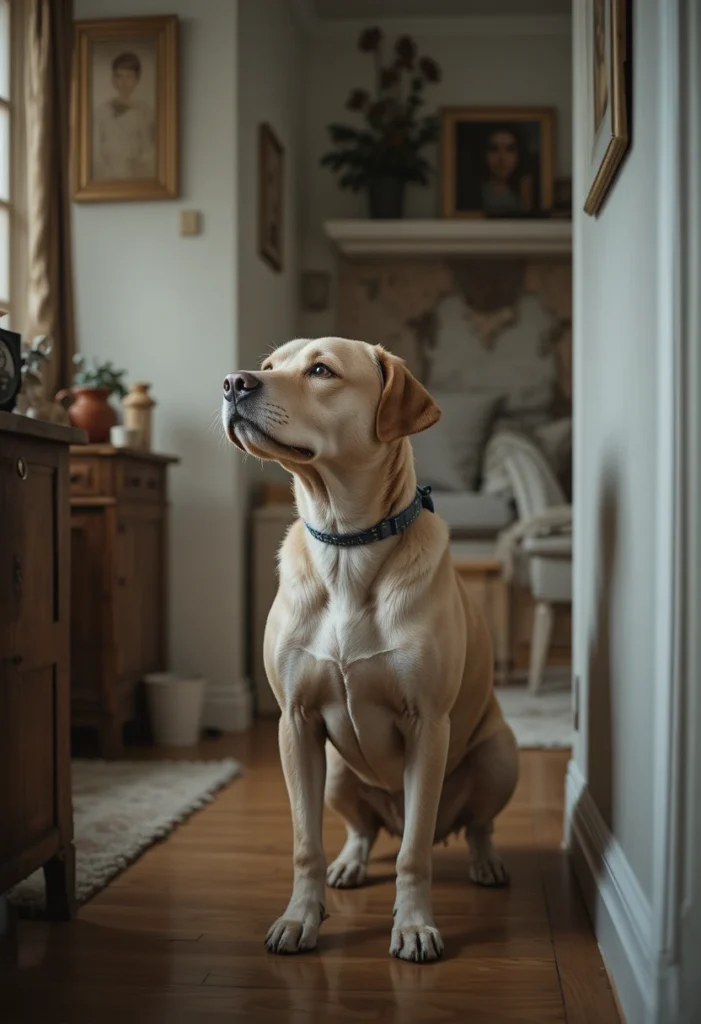
7. Nighttime Restlessness and Pacing
While a senior dog will typically sleep up to 20 hours a day, dogs with cognitive dysfunction may instead experience restlessness at night, wandering around the home, pacing, barking, or vocalizing
8. Increased Daytime Sleeping
Alongside disrupted nights, affected dogs often sleep more during the day, appearing lethargic and less interested in activities they previously enjoyed
9. Nighttime Vocalizing
Some dogs become vocal specifically at night, whining or barking for no obvious reason as part of a disrupted sleep-wake cycle
House Soiling

10. Accidents Despite Being Fully House-Trained
Dogs with cognitive dysfunction may have accidents indoors despite being previously reliably house-trained for years. This isn’t a training regression; it’s often a sign the brain’s signaling around bathroom needs and memory has changed
Read Also: How to Groom a Dog at Home: The Complete Step-by-Step Guide
11. Forgetting Learned Behaviors and Routines
Dogs with CCD may forget familiar routines they’ve followed for years, or begin behaving differently than they used to in general. House soiling is often just the most visible version of this broader pattern
Anxiety
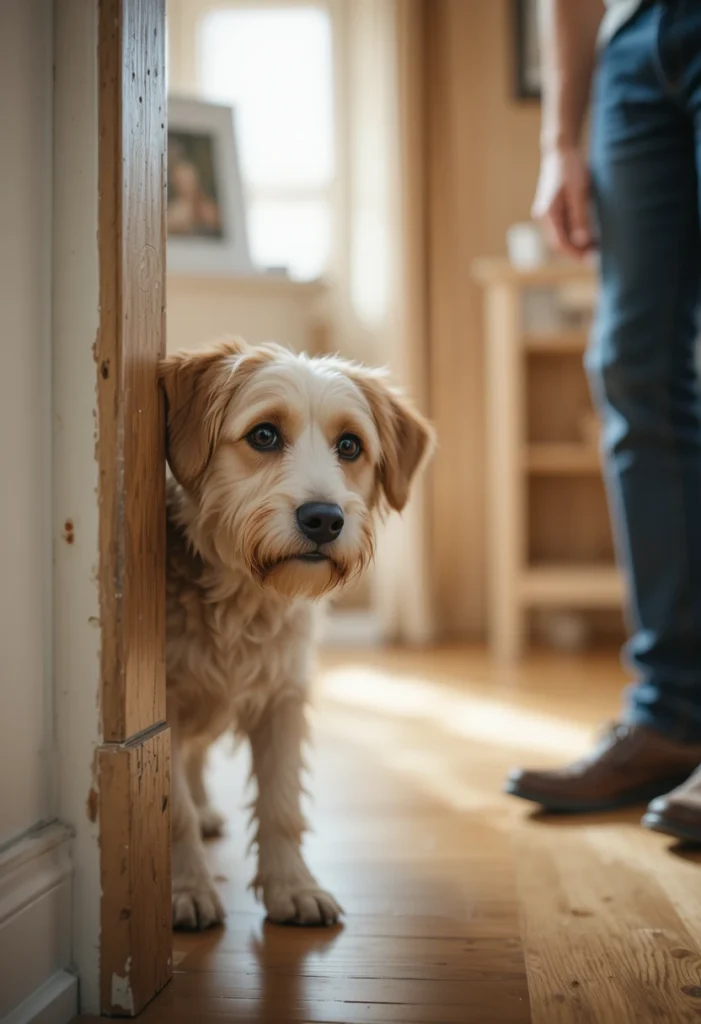
12. New or Increased Fearfulness
Owners sometimes notice their older dog acting fearful in situations that never used to bother them, which can look like sudden nervousness around noises, people, or even parts of their own home
13. General Increased Anxiety or Clinginess
Beyond specific fears, some dogs develop a more constant undercurrent of anxiety, following their owner from room to room or appearing unsettled even in calm environments.
Activity Changes

14. Reduced Interest in Previously Enjoyed Activities
Beyond just playing less, dogs with cognitive dysfunction may lose interest in walks, favorite toys, or other activities that used to reliably excite them.
15. Repetitive or Aimless Behaviors
Some dogs develop repetitive pacing, licking, or circling patterns that don’t seem tied to any clear purpose, another sign of the broader disorientation and behavioral changes seen with CCD.
A Quick Word of Caution
Behavioral changes like restlessness, panting, or house soiling can also be caused by other medical conditions entirely, such as infections, arthritis, kidney or liver disease, or Cushing’s disease, since the symptoms genuinely overlap
This is exactly why a vet visit matters here, not just a Google search. A proper exam and bloodwork can rule out (or catch) a physical illness that looks like dementia but is actually something treatable.
How Vets Diagnose Dog Dementia
If you mention these symptoms to your vet, they may have you fill out a CAnine DEmentia Scale (CADES) worksheet to help assess how severe the cognitive changes actually are. There’s no single blood test for CCD; diagnosis is based on ruling out other medical causes and evaluating the behavioral pattern as a whole
Is There a Cure?
Here’s the honest answer: there is currently no cure for dog dementia, and cognitive dysfunction is managed rather than cured. That said, dogs don’t have to simply decline; many show real improvement with the right combination of nutritional, medical, and behavioral support
Treatment typically combines environmental changes, nutritional supplements, special diets, and medications where appropriate.
Environmental Adjustments That Help
- Night lights can reduce confusion during nighttime wandering.
- Keeping your dog in a smaller, simpler room can help minimize getting lost and reduce vocalizing.
- Predictable routines and minimal furniture rearranging help reduce disorientation.
Supplements and Diet
Antioxidant supplements such as SAMe, vitamin E, and ginkgo biloba are sometimes discussed with vets, since research has shown antioxidants added to a dog’s diet can help older dogs complete more difficult learning tasks. Diets rich in fish oils or medium-chain triglycerides have also shown benefit, including specific veterinary therapeutic diets designed for this purpose.
Mental Engagement
Frequent walks, food puzzles, and scent games can help keep your dog mentally engaged, alongside a calm and safe home setup that helps them feel more confident and steady day to day.
When to Talk to Your Vet
Older dogs, generally those over 7 years old, benefit from checkups twice a year, which helps catch changes early, ideally before signs of cognitive decline even show up.
If you’re noticing any combination of the signs above, don’t wait for your next scheduled visit. Keeping a simple log or notebook of new behaviors, even just using your phone, makes it much easier to spot patterns and act on them when it matters most.
Frequently Asked Questions
At what age do dogs typically start showing signs of dementia?
Studies have found cognitive decline can begin as early as 8 to 9 years old, though most dogs show at least one sign by age 11, and nearly all dogs show some signs by age 16.
Is dog dementia the same as human Alzheimer’s?
It’s very similar in how it presents and progresses, though a veterinary behaviorist has noted that “canine cognitive dysfunction” isn’t technically the most accurate term, since it’s unclear whether related species like wolves experience the exact same condition.
Can dog dementia be reversed?
No. There is no cure, but the condition can be managed, and many dogs show real improvement with proper nutritional, medical, and behavioral support.
Are certain breeds more likely to develop dementia?
Currently, there’s no known breed predisposition; age is the only consistent indicating factor.
What should I do first if I notice these signs?
Schedule a vet visit rather than assuming it’s simply old age. Ruling out other medical conditions that mimic these symptoms is an important first step before assuming it’s cognitive dysfunction.
The Bottom Line
Watching a senior dog change can be genuinely heartbreaking, but recognizing the signs of canine cognitive dysfunction early gives you real options: environmental changes, dietary support, mental engagement, and a vet-guided plan that can meaningfully improve their comfort and quality of life.
Your dog can’t tell you something feels different. Paying attention to disorientation, sleep changes, house soiling, anxiety, and shifts in interaction is how you notice for them, and how you make sure their senior years stay as steady and comfortable as possible.