
There are few things more frightening as a pet owner than watching your dog or cat suddenly collapse, stiffen, or convulse without warning. One second they’re curled up next to you, the next they’re paddling their legs and drooling on the floor, and every instinct tells you to grab them, hold them, do something.
But here’s what matters most in that moment: staying calm and knowing exactly what to do and what not to do can genuinely make the difference in how safely your pet comes through it. This guide covers 12+ practical, vet-informed steps for handling a pet seizure at home, recognizing when it’s an emergency, and what to expect afterward.
A quick but important note: This article is meant to prepare you with general information, not to replace professional veterinary care. If your pet is having or has just had a seizure, contact your veterinarian or an emergency animal hospital as soon as possible.
What Does a Seizure Actually Look Like?
Seizures happen when there’s a sudden burst of abnormal electrical activity in the brain. They can look different depending on the type and severity, but common signs include:
- Sudden collapse or loss of consciousness
- Full-body stiffening followed by paddling or jerking legs
- Drooling, foaming at the mouth, or chomping
- Loss of bladder or bowel control
- Confusion, disorientation, or temporary blindness afterward
- In milder cases, just a twitching limb, a fixed stare, or strange repetitive behavior without full collapse
Most seizures last between 30 seconds and two or three minutes, though it can feel like much longer in the moment.
1. Stay Calm (Even Though It’s Hard)

Your pet can’t control what’s happening to their body during a seizure, and your energy matters both during the event and in the confusing minutes afterward. Dogs and cats are highly attuned to their owner’s emotional state, so a calm, steady presence helps keep the environment as safe and low-stress as possible for everyone involved, including you.
2. Note the Exact Start Time

The very first thing to do is check the clock or start a timer on your phone. Seizure duration is one of the most important details for your veterinarian, and it directly affects whether the situation is a true emergency. It’s easy to lose track of time during a scary event, so this small step keeps you grounded and gives your vet accurate information.
3. Clear the Area of Hazards
Move quickly to clear away anything your pet could hit, fall into, or get hurt on furniture edges, stairs, hard corners, or anything breakable. If your pet is near a staircase, ledge, or pool, gently guide them (often by pulling from the back legs, not the head or body) to a safer, open space on the floor.
4. Do NOT Restrain Your Pet

It’s a natural instinct to want to hold your pet still, but resist it. Trying to physically restrain a seizing animal can cause injury to both of you and may actually make the seizure worse. Let the seizure run its course in a cleared, safe space rather than trying to stop the movement.
Read Also: 13+ Best Dog Food Ideas for Large Breeds
5. Never Put Your Hands Near Their Mouth
Despite the old myth, dogs and cats cannot swallow their tongues during a seizure, so there’s no need and no safety benefit to reaching into their mouth. In fact, doing so puts you at real risk of an accidental bite, since your pet has no control over their jaw movements during this time. Keep your hands and face away from their mouth throughout the episode.
6. Dim the Lights and Reduce Noise
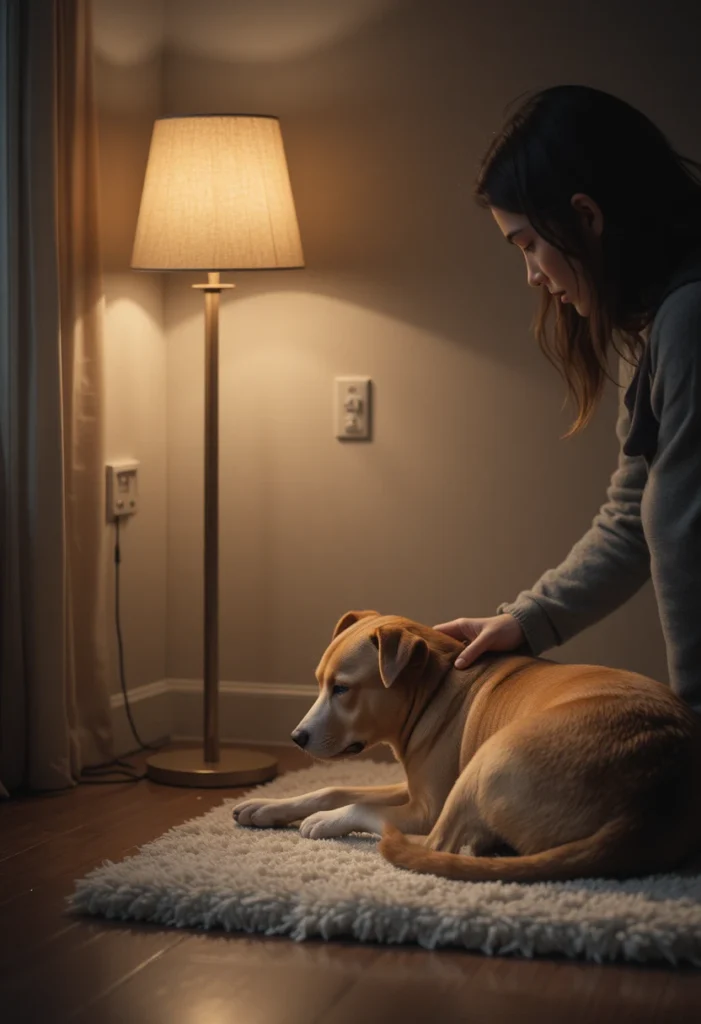
Turning down bright lights, lowering the TV or music volume, and keeping the environment as calm and quiet as possible can help reduce additional sensory stress on your pet’s already overloaded nervous system.
7. Place a Towel Underneath Them
Many pets lose bladder or bowel control during a seizure. If you have a towel or blanket within reach, sliding it under your pet’s hindquarters can make cleanup easier and keep them a little more comfortable, but don’t delay other steps just to grab one.
8. Observe and Mentally (or Verbally) Note the Details

While staying safe, pay close attention to what’s happening these details are genuinely valuable for your vet:
- Which parts of the body are affected (all four legs, just the front half, one side of the body)
- Whether there’s paddling, stiffness, chomping, or drooling
- Whether your pet loses consciousness
- Any unusual behavior right before the seizure started (sometimes called an “aura,” such as pacing, whining, or seeking you out)
- Whether they urinate or defecate
If you can safely grab your phone and record a short video once the immediate safety steps are handled, it can be incredibly useful for your vet in identifying the seizure type.
9. Time How Long It Lasts
Once the seizure ends, note the total duration. This single detail is one of the biggest factors in deciding whether this is a “monitor at home” situation or a “go to the emergency vet right now” situation (more on that below).
10. Check Their Temperature If You Can Do So Safely

Seizures cause body temperature to rise quickly due to intense muscle activity. If it’s safe to do (only once the active seizure has stopped) and you’re comfortable doing so, checking your pet’s temperature can help you know whether cooling measures are needed. A temperature of 104°F or higher is a signal to gently cool them with cool, damp towels on the paws, groin, and neck not ice-cold water, which can cause shock.
11. Give Them Space to Recover
After a seizure ends, many pets go through a “post-ictal” period a stretch of minutes to hours where they may seem confused, wobbly, temporarily blind, or unusually hungry or thirsty. This is normal, but it’s also a time to be cautious:
- Speak softly and move slowly.
- Avoid crowding them with hugs or handling right away a disoriented pet can bite unintentionally, even a normally gentle one.
- Keep them away from stairs, pools, or other hazards until they’re clearly back to their normal, steady selves.
- Offer water once they seem alert, and a small, easily digestible meal if they seem interested in eating.
12. Start a Seizure Log

Whether this is your pet’s first seizure or a recurring issue, keeping a simple written log helps enormously with long-term care. Note:
- Date and time of each seizure
- Duration
- What the seizure looked like
- Any possible triggers you noticed beforehand (stress, a new food, missed medication, etc.)
- How long recovery took afterward
This pattern of information helps your veterinarian determine whether ongoing seizure medication or further testing is needed.
13. Know When It’s a True Emergency
Not every seizure requires an emergency room visit, but certain situations absolutely do. Call your veterinarian or the nearest emergency animal hospital immediately if:
- The seizure lasts longer than 3–5 minutes
- Your pet has more than one seizure in a 24-hour period (known as cluster seizures)
- Your pet doesn’t fully regain consciousness between seizures
- This is your pet’s very first seizure ever
- You suspect possible poisoning, toxin exposure, or a recent head injury
- Your pet’s temperature climbs dangerously high and doesn’t come down
A seizure lasting more than five minutes without stopping is called status epilepticus a true medical emergency that can lead to brain damage, dangerous overheating, or organ damage if not treated quickly.
14. Call Your Vet Even If the Seizure Was “Mild” or Short

Even when a seizure resolves quickly and your pet seems fine afterward, it’s still worth a call to your veterinarian to report what happened, especially if this is a new or infrequent occurrence. They can help you decide whether an in-person visit is needed or whether monitoring at home is appropriate, based on your pet’s history and the details you observed.
15. Never Give Medication Without Veterinary Guidance
It can be tempting to search online for a home remedy or give a leftover medication “just in case,” but doing so without veterinary direction can be dangerous. If your pet has a known seizure disorder, your veterinarian may have already prescribed a rescue medication (such as rectal diazepam or intranasal midazolam) for use during prolonged or cluster seizures but these are only used under a vet’s specific instructions, never as a general home remedy.
What Causes Seizures in Pets?
Seizures can stem from a wide range of underlying causes, including:
- Idiopathic epilepsy recurrent seizures with no identifiable structural cause, and one of the most common diagnoses in young to middle-aged dogs
- Toxin exposure certain foods, plants, chemicals, or medications
- Metabolic issues such as low blood sugar or liver or kidney disease
- Head trauma
- Brain tumors or structural abnormalities, more common in older pets
- Infectious or inflammatory conditions
Because the underlying cause varies so widely, a full veterinary workup including bloodwork and sometimes advanced imaging — is often needed to get a clear diagnosis, especially after a first seizure.
Life After a Seizure Diagnosis
If your pet is diagnosed with a seizure disorder, it doesn’t mean life stops being normal. Many pets with epilepsy live long, happy lives with the right management plan, which may include:
- Daily anti-seizure medication, taken consistently and never skipped
- Regular veterinary follow-ups to monitor effectiveness and side effects
- A seizure log to track patterns and triggers over time
- Lifestyle adjustments, such as consistent routines and stress reduction
The goal of treatment usually isn’t to eliminate every seizure entirely, but to reduce how often and how severely they happen, so your pet can enjoy the best possible quality of life.
Frequently Asked Questions
How long is too long for a dog or cat seizure?
Any seizure lasting longer than 3–5 minutes is considered an emergency and needs immediate veterinary attention.
Can I put something in my pet’s mouth during a seizure?
No. Pets cannot swallow their tongues, and putting your hand or an object near their mouth during a seizure puts you at serious risk of an accidental bite.
Should I hold my dog down during a seizure?
No. Restraining a seizing pet doesn’t help and can lead to injury for both of you. Instead, clear the area around them and let the seizure run its course.
Is it normal for a dog to act strange after a seizure?
Yes. Many pets go through a temporary period of confusion, wobbliness, or unusual hunger/thirst after a seizure. This “post-ictal” phase is normal but should still be reported to your vet.
Do I need to take my pet to the vet after every seizure?
It’s always worth contacting your vet after any seizure, even a short one, especially if it’s a first occurrence. Whether an in-person visit is needed depends on the seizure’s length, frequency, and your pet’s overall history.
Final Thoughts
Watching your pet have a seizure is one of the scariest experiences a pet owner can go through, but knowing what to do and what to avoid puts you in a position to help rather than panic. Clear the space, keep your hands away from their mouth, time the episode, and reach out to your veterinarian with the details you observed. With the right information in hand, you can give your vet what they need to keep your pet safe, healthy, and by your side for years to come.