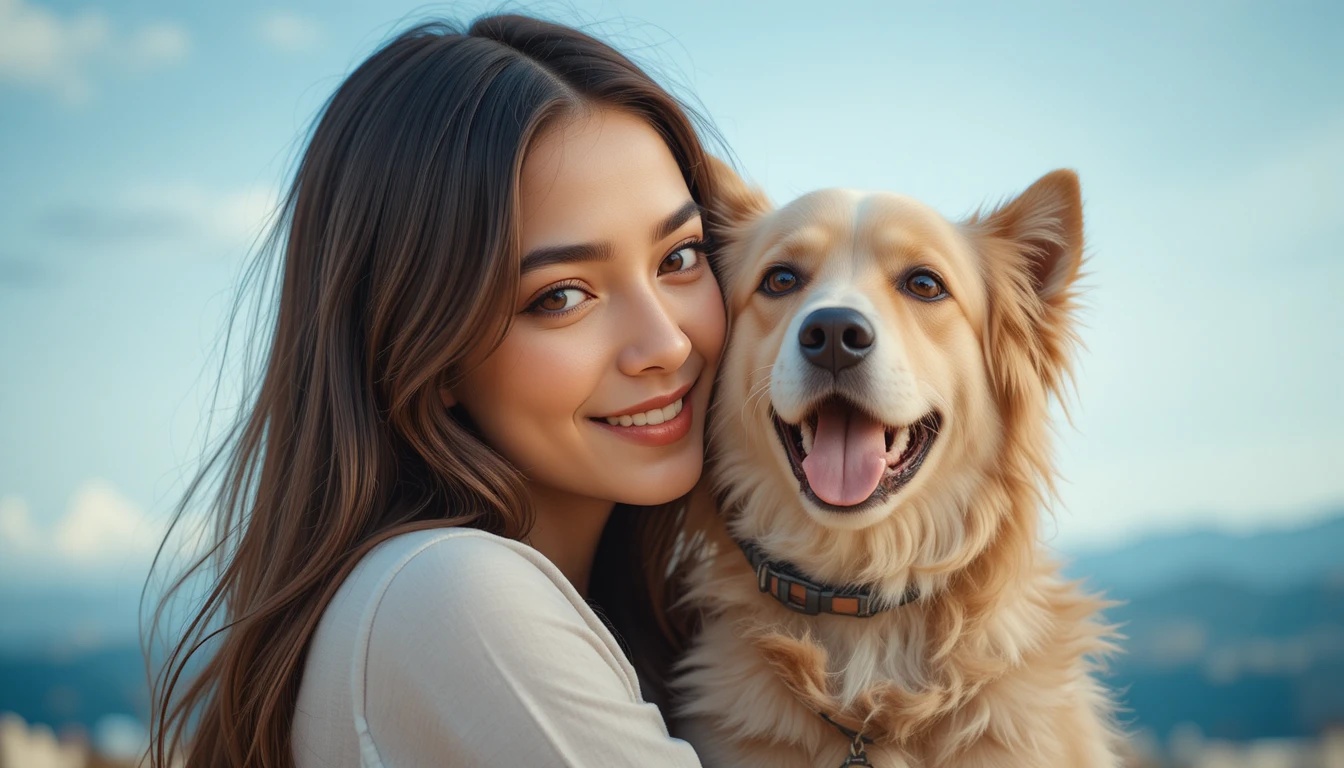
Picture this: your child comes home from school, drops their backpack by the door, and gets tackled by 60 pounds of pure joy before they even take their shoes off. No bad day survives that kind of welcome.
Choosing a dog for a family with kids isn’t like choosing a dog for anyone else. You’re not just picking a pet you’re picking a playmate, a protector, a built-in lesson in responsibility, and (let’s be honest) probably the family member who ends up in the most photos. Get it right, and you’ll have a companion who grows up alongside your children, patient through the toddler years and loyal through the teenage ones. Get it wrong, and you could be dealing with anxiety, snapping, or a dog that’s simply too much (or too little) house for your household.
What Makes a Dog Genuinely Good With Kids?
Before jumping into breeds, it helps to know what you’re actually looking for. Breed tendencies matter, but they’re only part of the picture.
Look for these traits:
- Patience and tolerance — a dog that can handle being hugged too tightly, stepped on, or startled without reacting badly
- Sturdy build — dogs that are too fragile can get hurt during normal childhood roughhousing
- Trainability — an easy-to-train dog is easier to teach boundaries, and easier for kids to help train
- Moderate-to-high sociability — dogs that genuinely enjoy people, not just tolerate them
- Predictable temperament — breeds with a long track record of steady, non-reactive behavior
One important reality check: no breed guarantees a good dog, and no breed dooms a bad one. Individual temperament, early socialization, and how a household trains and supervises a dog all matter enormously. Breed tendencies are a helpful starting point, not a promise. Whatever you choose, always supervise young children with any dog, and teach kids how to approach, touch, and read a dog’s body language.
With that groundwork laid, here are the breeds that consistently show up as excellent family companions.
Best Large Dog Breeds for Kids
Big dogs often make surprisingly gentle family companions their size means they’re less likely to be hurt by an overenthusiastic hug, and many large breeds carry a naturally calm, tolerant temperament.
1. Labrador Retriever
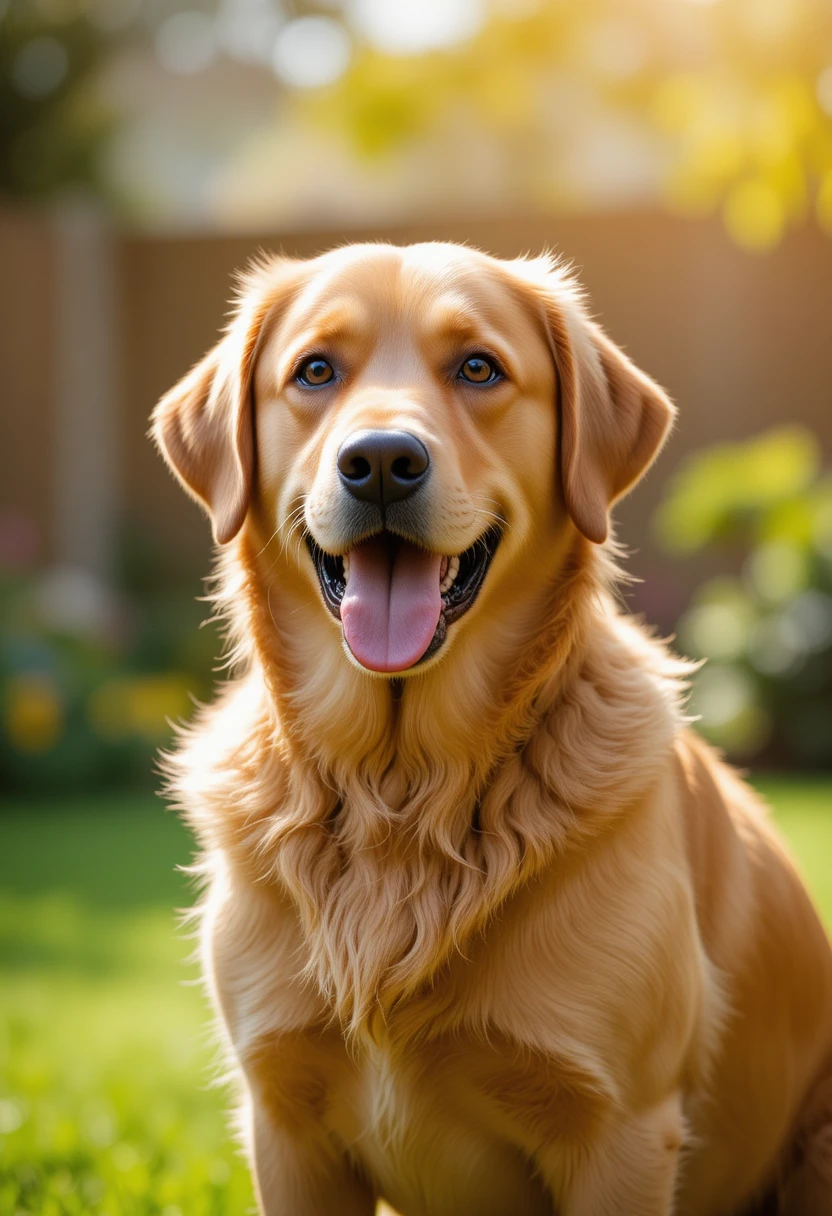
The Labrador is the breed most people picture when they imagine “family dog,” and for good reason. Labs are playful without being reactive, eager to please, and endlessly patient with the chaos that comes with young children. They’re known for their friendly, tolerant nature and their ability to bond closely with their families.
2. Golden Retriever
The Golden Retriever’s reputation as a family dog is basically legendary — affectionate, easygoing, and remarkably gentle with small children. Golden Retrievers are known for their friendly, even-tempered personalities and their ability to love unconditionally.
Best for: First-time dog owners and households wanting a classic, loyal companion.
Watch out for: A thick double coat that sheds heavily regular brushing is non-negotiable.
3. Bernese Mountain Dog
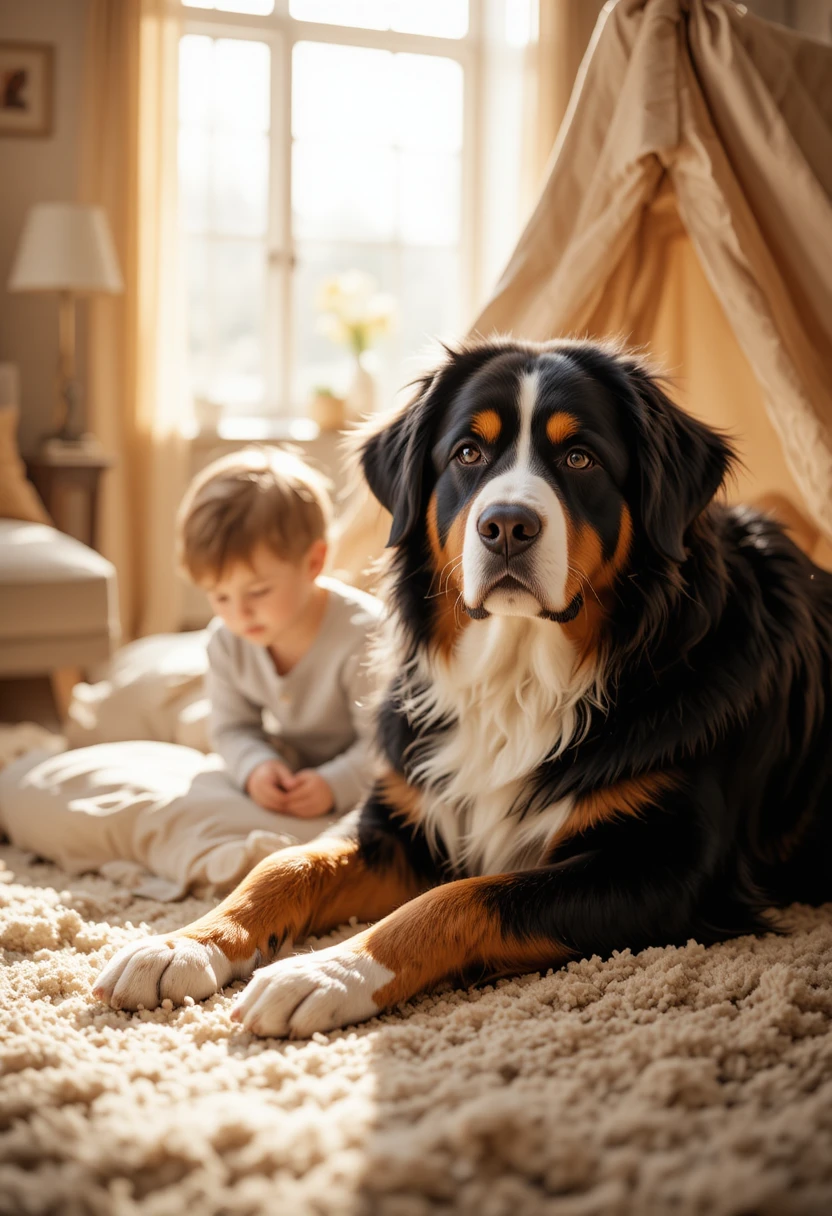
Despite their imposing size, Bernese Mountain Dogs are famously gentle giants calm, affectionate, and remarkably patient with kids climbing all over them.
Best for: Families with space (a yard helps) who want a dog that’s more couch-companion than couch-destroyer.
Watch out for: A shorter average lifespan and a coat built for cold climates, so they can struggle in extreme heat.
Read Also: 13+ Genius Ways to Potty Train a Puppy
4. Newfoundland
Nicknamed “nanny dogs” for their historic reputation of watching over children, Newfoundlands are enormous but incredibly gentle, protective without being aggressive, and naturally careful around little ones.
Best for: Families who want a calm, watchful presence and don’t mind serious drool.
Watch out for: Heavy shedding and a coat that needs regular grooming.
5. Boxer
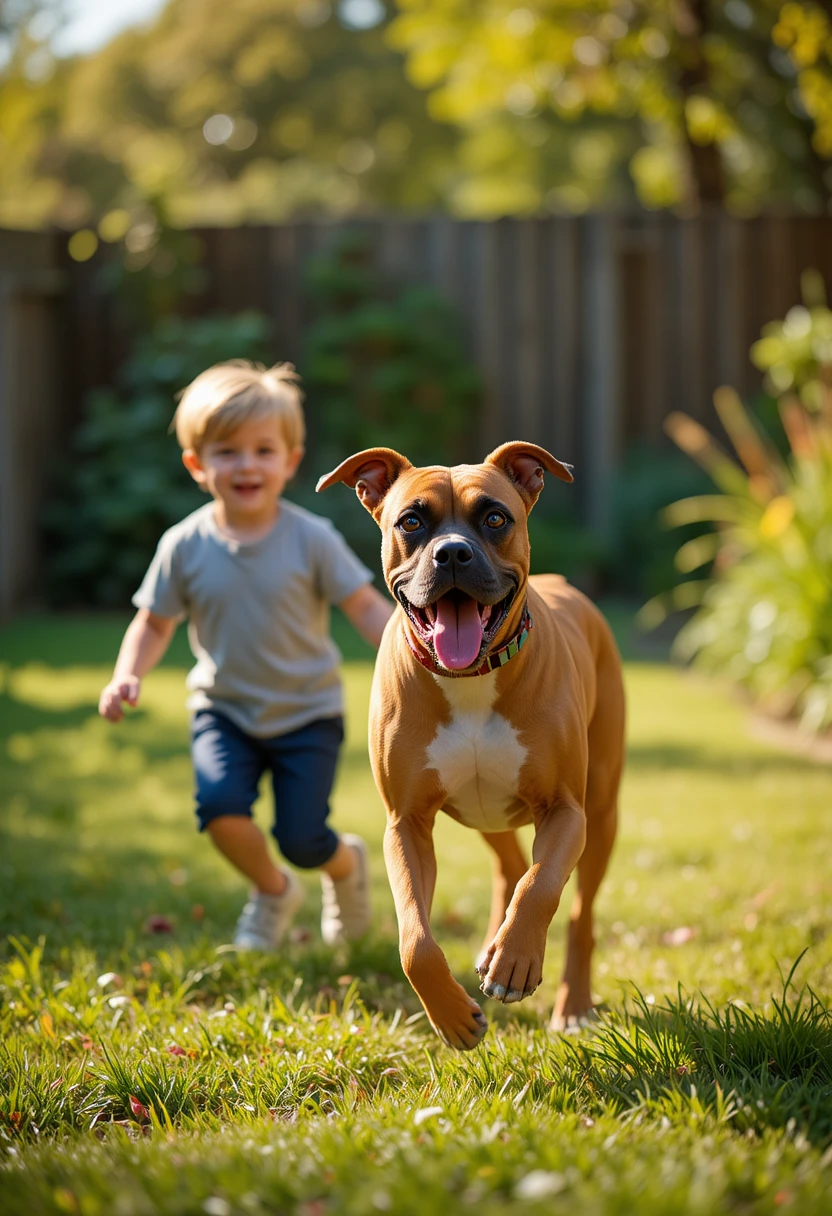
Boxers bring goofy, high-energy affection to a household. They’re playful almost to a fault, bond deeply with kids, and have a natural instinct to look out for the family.
Best for: Active households with older kids who can keep up with playtime.
Watch out for: Their exuberance young toddlers can get bowled over during play.
6. Collie (Rough or Smooth)
Made famous by Lassie for a reason, Collies are intelligent, gentle, and naturally protective of children often described as having an almost intuitive sense of when a child needs comforting.
Best for: Families wanting a loyal, watchful companion with a sweet temperament.
Watch out for: A long, thick coat that requires frequent brushing to prevent matting.
7. Vizsla
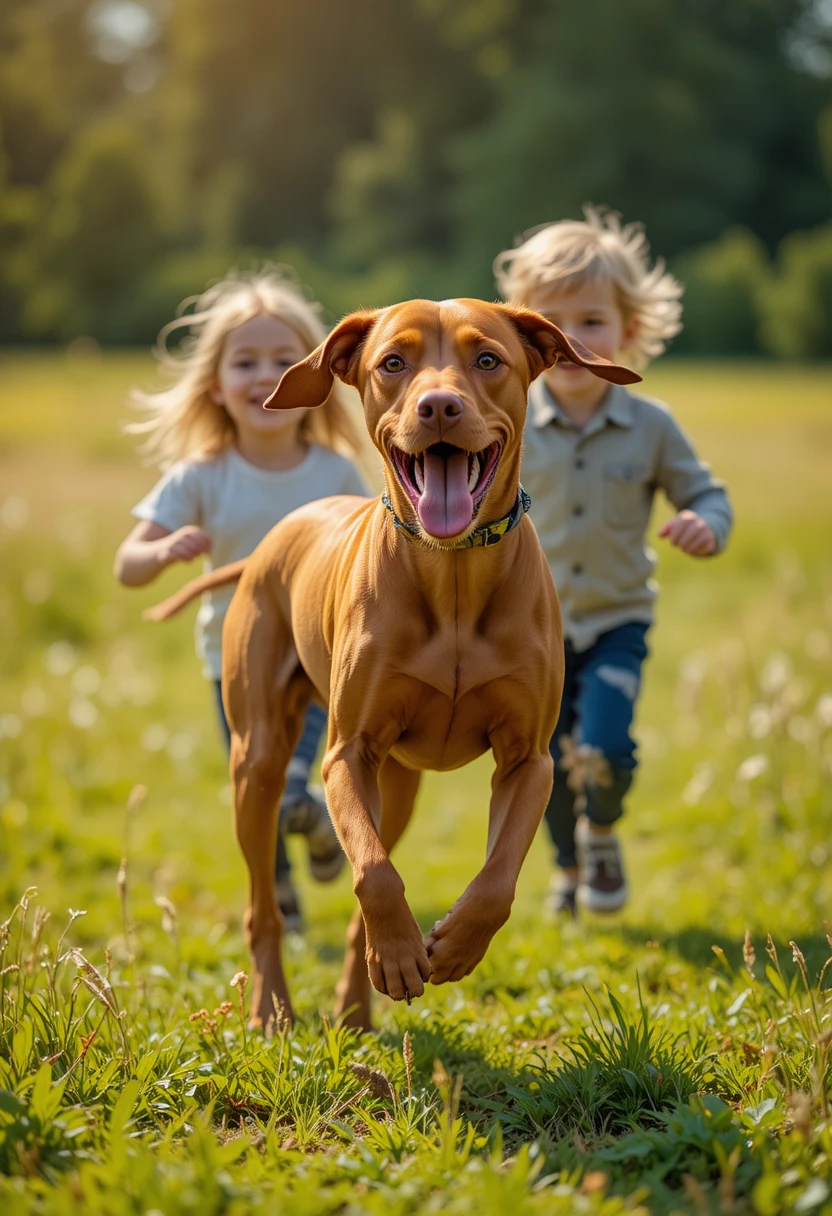
Vizslas are affectionate, velcro-like dogs that thrive on being close to their people, including kids. Their energy is high, but their loyalty and gentleness make them wonderful companions for active families.
Best for: Households with older, active kids who love hiking, running, or backyard games.
Watch out for: Separation anxiety they don’t do well left alone for long stretches.
Best Medium-Sized Dog Breeds for Kids
Medium breeds often hit a sweet spot: sturdy enough to handle rough play, but more manageable in smaller homes than giant breeds.
8. Beagle
Beagles are curious, playful, and famously good-natured with children. Their compact size and merry disposition make them a favorite for families who want big-dog friendliness in a smaller package. Labs, Golden Retrievers, Beagles, and Bulldogs are popular because they consistently do well with kids.
Best for: Families who want an affectionate, entertaining dog with moderate space needs.
Watch out for: Their nose Beagles will follow a scent trail and wander off if not securely fenced.
9. English Bulldog
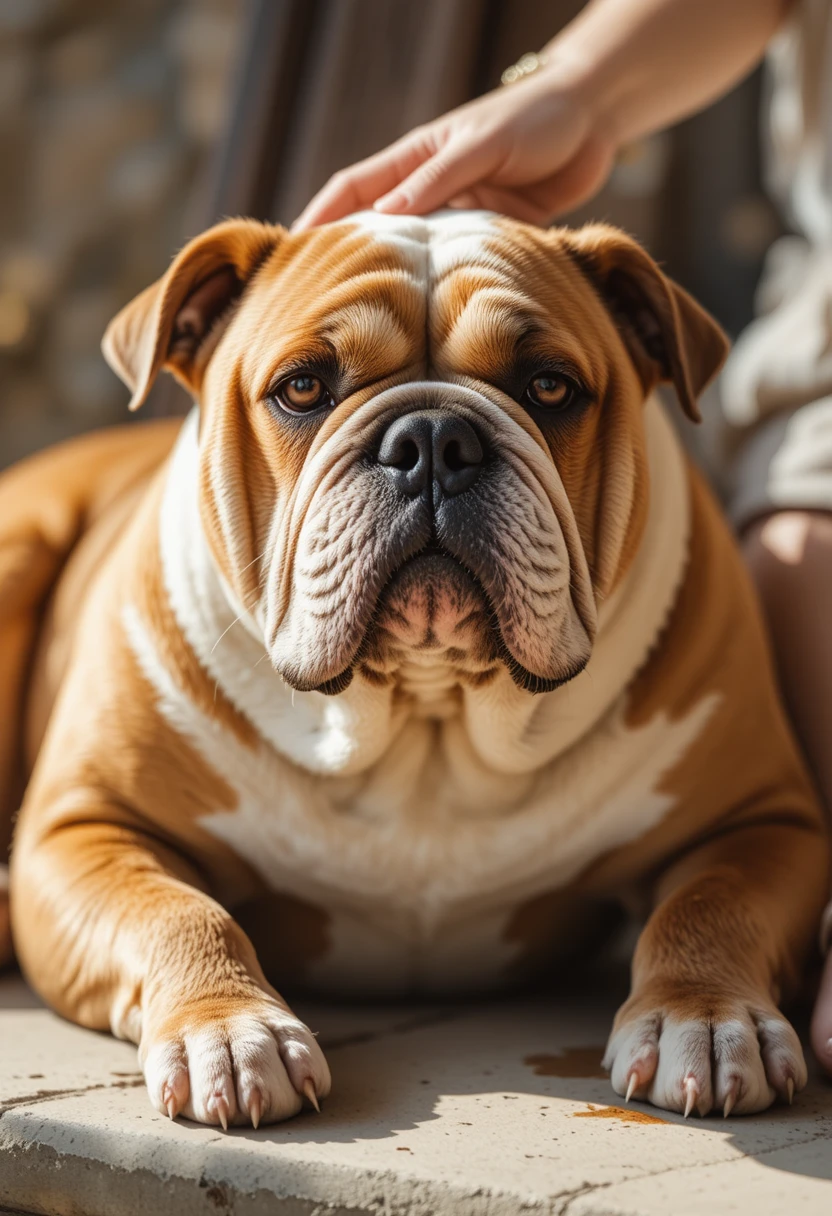
Bulldogs have a reputation for being low-key couch companions who tolerate a lot of handling from kids without fussing. Their calm, patient demeanor makes them a popular pick for families with younger children.
Best for: Families wanting a low-energy, affectionate dog that’s content indoors.
Watch out for: Health issues related to their flat face (brachycephalic breathing) and sensitivity to heat.
10. Standard or Miniature Poodle
Poodles are frequently underestimated they’re brilliant, trainable, and surprisingly playful with kids. Their low-shedding coat is also a major plus for families managing allergies.
Best for: Families with allergy concerns who still want a smart, people-oriented dog.
Watch out for: Regular professional grooming is required to maintain their coat.
11. Irish Setter
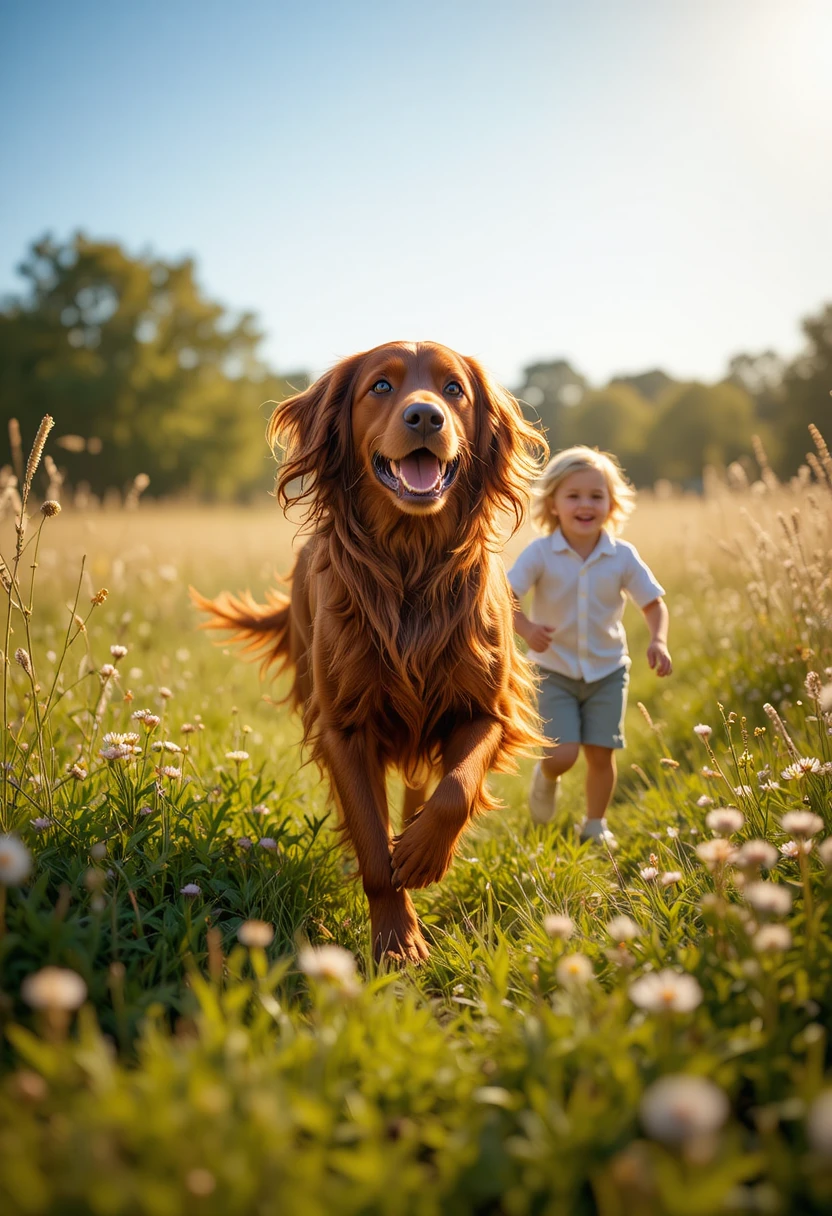
Irish Setters are exuberant, affectionate, and endlessly patient a joyful mix of playfulness and gentleness that many families adore.
Best for: Active households with a yard and kids who enjoy outdoor games.
Watch out for: High energy levels that need a real outlet, or the enthusiasm turns destructive.
12. Cocker Spaniel
Cocker Spaniels are sweet, affectionate, and eager to please a classic family breed with a gentle, people-focused temperament.
Best for: Families wanting a devoted, moderately active companion.
Watch out for: Their long ears require regular cleaning to prevent infections.
Best Small Dog Breeds for Kids
Small doesn’t mean fragile several small breeds are famous for their patience and affection with children, especially in apartments or homes with limited space.
13. Cavalier King Charles Spaniel

Cavaliers are affectionate almost to a fault gentle, adaptable, and happiest when they’re near their people. PawFav’s 2026 analysis specifically identified Golden Retrievers, Labrador Retrievers, and Cavalier King Charles Spaniels as the top three breeds for toddler families based on their consistently patient temperaments and natural gentleness.
Best for: Families with toddlers who want a smaller, cuddly companion.
Watch out for: They can develop health issues related to their heart and spine, so choosing a reputable breeder matters.
14. Pug
Pugs have a genuine affinity for children expressive, comedic, and endlessly affectionate. Pugs are known to have a special affinity with children and are likely to become best buddies with the youngest member of the family within a wag of a tail.
Best for: Apartment-dwelling families wanting a small, low-exercise, high-affection dog.
Watch out for: Flat-faced breathing issues and sensitivity to heat.
15. Bichon Frise
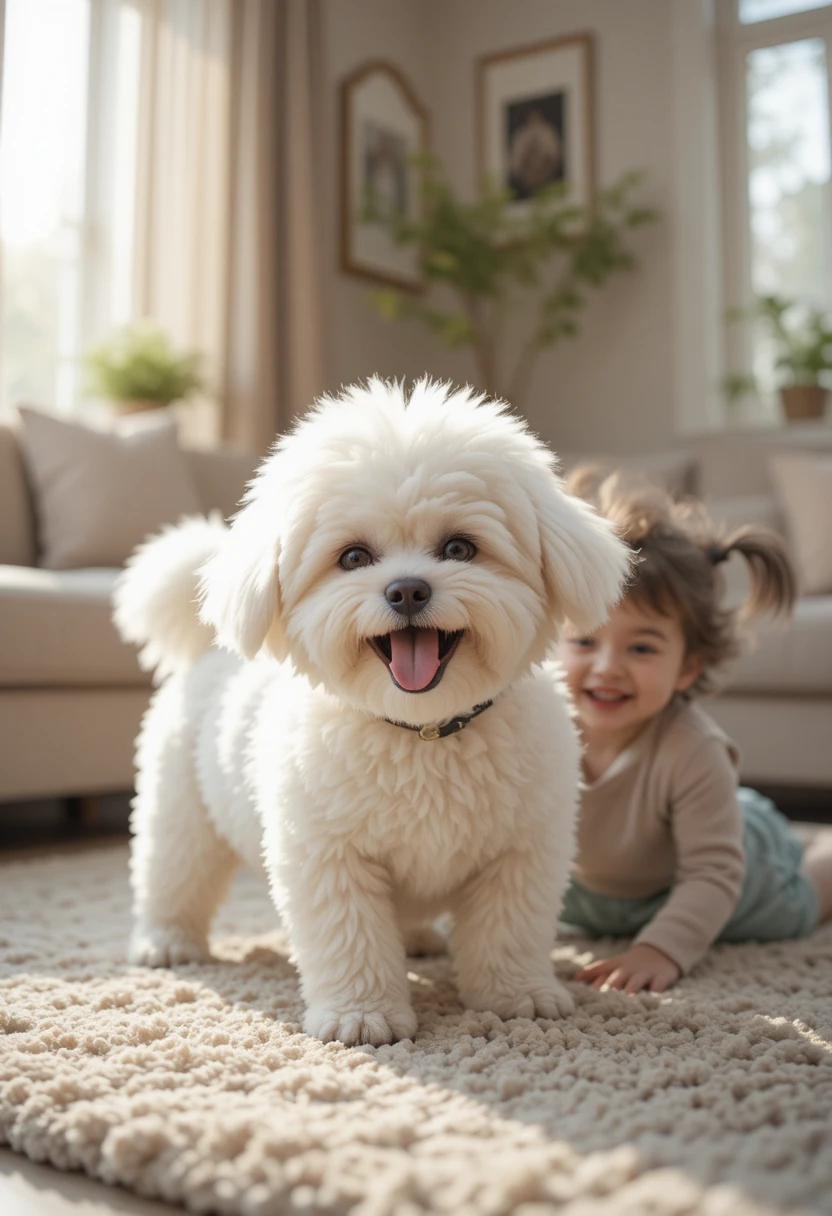
Cheerful and good-natured, the Bichon Frise is a favorite among small-space families, especially those managing mild allergies thanks to its low-shedding coat.
Best for: Apartment families or first-time owners wanting a happy, hypoallergenic-friendly dog.
Watch out for: Regular professional grooming to maintain their signature coat.
16. French Bulldog
French Bulldogs have surged in popularity for a reason quiet, adaptable, and genuinely affectionate with kids, without demanding much exercise.
Best for: City or apartment families who want a low-maintenance, people-loving dog.
Watch out for: Breathing issues in heat and during vigorous play; keep exercise moderate.
17. Havanese
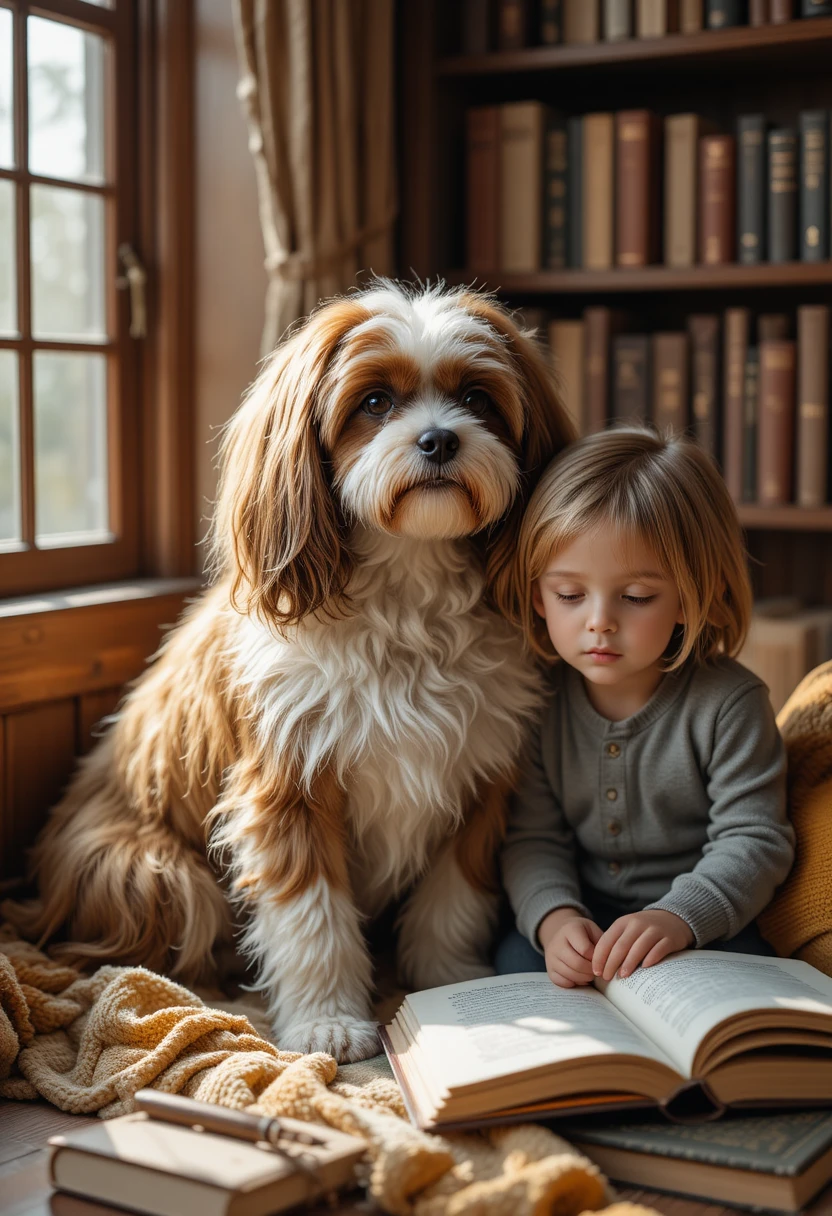
Havanese dogs are playful, silky-coated companions known for bonding closely with the whole family, including children. Their small size and cheerful energy make them a favorite among households with limited space.
Best for: Families wanting a portable, people-oriented companion for smaller homes.
Watch out for: Their coat needs regular brushing to avoid matting.
Don’t Overlook the Shelter Mutt
If you’re open to a mixed-breed dog, don’t rule out your local shelter. Many mixed-breed dogs combine the best traits of multiple breeds, and shelter staff can often tell you a lot about a dog’s temperament around children based on observed behavior — sometimes giving you more reliable information than a breed label alone. Adopting also means giving a dog a second chance at a loving home, which is its own kind of family lesson for kids.
Breeds That Need Extra Caution With Young Kids
Not every breed is a natural fit for households with small children not because they’re “bad” dogs, but because their temperament, size, or energy level requires more experienced handling. Guardian breeds, dogs bred for high independence, and breeds with a lower tolerance for unpredictable handling (like some terriers and certain guarding breeds) can be wonderful family dogs in the right home, but they typically need more structured training, earlier socialization, and closer supervision around very young children. If you’re drawn to one of these breeds, talk to a reputable breeder or rescue about temperament testing before bringing a puppy home.
How to Introduce a New Dog to Your Kids Safely
Even the most naturally gentle breed benefits from a thoughtful introduction. A few practices make a real difference:
- Teach calm greetings first. Have kids let the dog approach them, rather than rushing at the dog.
- Supervise every interaction for at least the first several months, regardless of breed.
- Teach children to read body language a stiff body, tucked tail, or pinned-back ears means the dog needs space.
- Give the dog a safe retreat, like a crate or a quiet room, where kids know not to follow.
- Involve kids in care routines (feeding, walking, brushing) appropriate to their age it builds respect and responsibility on both sides.
These habits matter more than the breed itself when it comes to building a genuinely safe, affectionate relationship between your dog and your children.
Frequently Asked Questions
What is the number one family dog for kids?
The Labrador Retriever and Golden Retriever are the two breeds most consistently recommended by trainers and veterinarians for families with children, thanks to their patient, tolerant, people-focused temperaments.
What is the best small dog breed for kids?
The Cavalier King Charles Spaniel and Bichon Frise are both frequently recommended for families with younger children, thanks to their gentle, affectionate nature and manageable size.
Are big dogs safer for kids than small dogs?
Not necessarily safer, but often sturdier. Larger dogs are less likely to be injured by rough handling, while very small dogs can be hurt if handled too roughly by young children. Supervision matters regardless of size.
What dog breeds are best for kids with allergies?
Poodles, Bichon Frises, and Havanese are popular choices for allergy-sensitive households thanks to their low-shedding coats, though no breed is truly 100% hypoallergenic.
How old should kids be before getting a dog?
There’s no universal age, but many trainers suggest waiting until children are old enough to understand and follow basic dog-handling rules, generally around 4-6 years old, paired with close adult supervision at every age.
Final Thoughts
There’s no single “best” dog breed for every family the right choice depends on your space, your energy level, your children’s ages, and how much time you can devote to training and exercise. What all of these breeds share is a documented history of patience, affection, and tolerance around children, which gives you a strong starting point.
Whichever breed you choose, remember that temperament is shaped as much by training, socialization, and supervision as it is by genetics. Take your time, meet the individual dog or puppy before committing, and involve your kids in the process after all, they’re the ones who’ll be growing up right alongside their new best friend.