
Your dog just finished another bag of kibble, and you’re standing in the pet food aisle staring at two shelves that seem to be having an argument with each other. One says “Grain-Free Formula” in bold gold letters. The other quietly reminds you that whole grains are “nature’s original superfood.” Somewhere in between, your dog is just waiting for dinner.
If you’ve ever felt torn between these two camps, you’re not imagining the confusion grain-free dog food went from a fringe trend to a multi-billion-dollar category in under a decade, and the marketing hasn’t always kept pace with the actual science. Some claims are true. Some are outdated. And one specific health concern (we’ll get to it below) deserves a lot more attention than most pet food packaging gives it.
This guide breaks down 12+ real pros and cons of grain-free dog food no scare tactics, no blind marketing hype, just what the research and veterinary community actually say, so you can make the call that’s right for your dog.
Save this guide before you head to the store it’s the kind of thing you’ll want to reference again at your next bag-buying decision.
What “Grain-Free” Actually Means
Before comparing pros and cons, it helps to know what’s actually being removed. Grain-free dog food simply means the recipe contains no wheat, corn, rice, oats, barley, or rye. Instead of these traditional carbohydrate sources, most grain-free formulas lean on legumes and starchy vegetables think peas, lentils, chickpeas, and potatoes to provide the carbs, fiber, and calories dogs still need.
It’s a common myth that dogs can’t process carbohydrates at all. In reality, dogs are omnivores, and their digestive systems handle grains and legumes reasonably well when the food is properly formulated. The real question isn’t “carbs vs. no carbs” — it’s which carb sources fit your individual dog’s needs.
With that groundwork laid, let’s get into the list.
The Pros of Grain-Free Dog Food
1. It May Help Dogs With True Grain Allergies

Food allergies in dogs are real, though less common than people assume most diagnosed food allergies actually trace back to a protein source like chicken or beef rather than a grain. Still, for the smaller subset of dogs with a confirmed grain sensitivity, removing wheat, corn, or soy can genuinely reduce symptoms like itchy skin, ear infections, and chronic licking.
The key word here is “confirmed.” A proper food allergy is typically diagnosed through an elimination diet supervised by a veterinarian not guessed at from a bag label.
2. Fewer Ingredients Some Dogs Struggle to Digest
Some dogs, particularly those with sensitive stomachs, do better on formulas free of heavily processed grain fillers. Grain-free recipes often replace these with easily digestible alternatives, which can translate to firmer stools and less gas for certain dogs.
3. Higher Protein-to-Carb Ratios
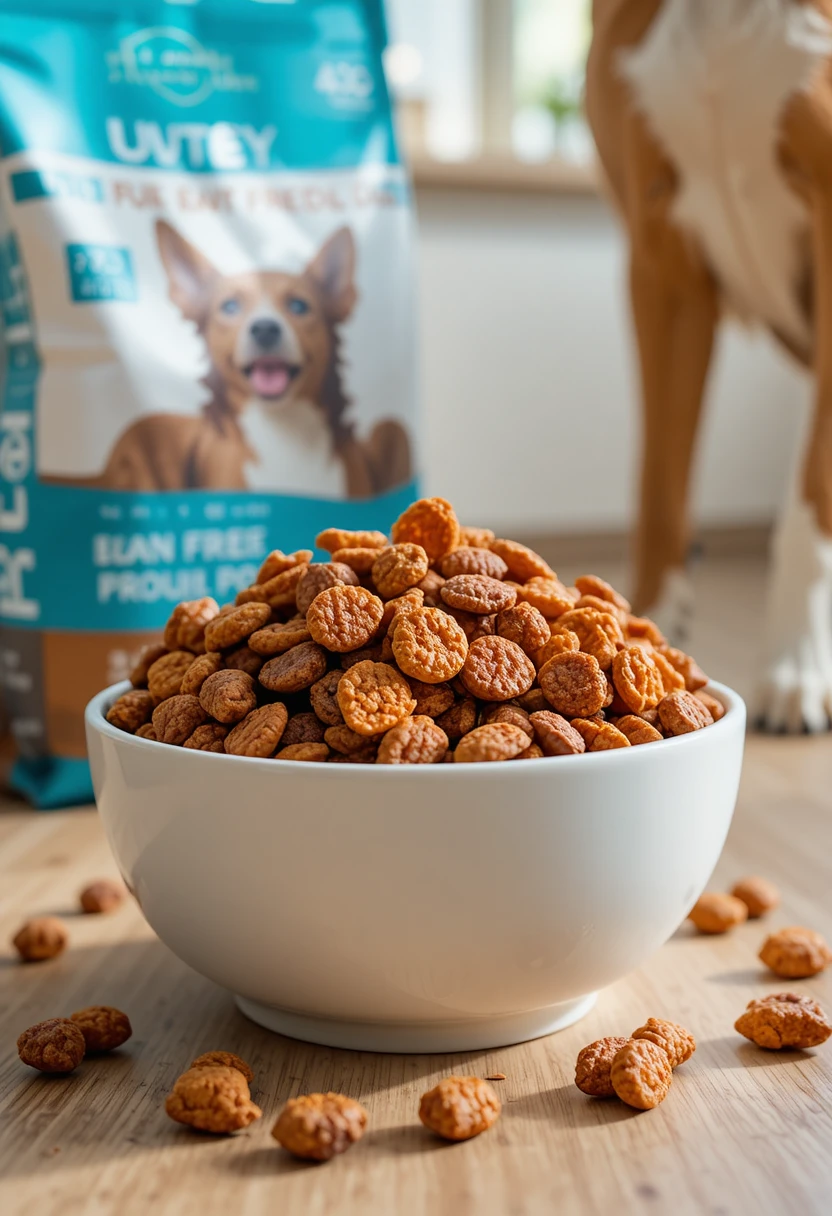
Because grain-free formulas swap out grain-based fillers, many end up with a higher proportion of animal protein per cup. For active, working, or high-energy dogs, that can support lean muscle maintenance though it’s worth noting that a high-protein diet is not automatically “better” for every dog, especially less active breeds or seniors.
Read Also: What to Do If a Pet Is Having a Seizure: 12+ Things Every Owner Should Know
4. Often Free From Common Fillers and Byproducts
Many grain-free brands market themselves as “boutique” or “premium,” which frequently (though not always) means fewer artificial preservatives, dyes, and low-quality byproducts. If your priority is a shorter, more recognizable ingredient list, grain-free formulas are more likely to check that box though grain-inclusive premium brands can offer the same thing.
5. Can Reduce Gas and Stool Odor in Some Dogs

Owners frequently report that switching to grain-free food reduces flatulence and improves stool consistency. This isn’t universal, and it depends heavily on the specific recipe, but for dogs with grain sensitivities, it’s one of the more noticeable day-to-day benefits.
Quick takeaway: If your dog has a diagnosed grain allergy or a genuinely sensitive stomach, grain-free can be a legitimate, vet-supported choice not just a trend to follow.
6. Wider Variety of Novel Protein Options
Grain-free lines often pair well with novel proteins like bison, duck, venison, or salmon. For dogs who’ve cycled through every chicken-and-rice formula on the market, this variety can be genuinely useful for identifying true triggers during a diet trial.
7. Peace of Mind for Owners Managing Diagnosed Sensitivities

For the subset of owners already working with a vet on a known allergy or intolerance, grain-free food isn’t a lifestyle choice it’s part of a treatment plan. Having reliable, widely available grain-free options makes that management easier than it was a decade ago.
The Cons of Grain-Free Dog Food
8. The DCM Connection Is the Big One
This is the single most important item on this list, and it deserves more than a bullet point.
In 2018, the FDA opened an investigation into reports of dilated cardiomyopathy (DCM) a serious heart condition in dogs eating certain diets, many labeled grain-free and heavy in peas, lentils, and other legumes (“pulses”). DCM causes the heart muscle to weaken and enlarge, and it can be fatal, though research shows some diet-associated cases improve when the diet is changed early enough.
Here’s the nuance that often gets lost: the FDA has been clear that it has not established a direct causal link between grain-free food and DCM. In December 2022, the agency said it would pause public updates until more definitive research became available. A more recent update from Tufts University’s veterinary nutrition team, published in June 2026, reinforced that this remains an active research area and importantly, that diet-associated DCM appears linked to diets high in peas and legumes generally, whether or not the food is labeled grain-free.
What this means practically: grain-free itself isn’t the confirmed villain high legume content might be a bigger factor. But because so many grain-free formulas rely heavily on peas and lentils as their main carb source, the categories overlap a lot. If your dog is on a legume-heavy grain-free diet, this is worth a specific conversation with your vet, especially for large or giant breeds already predisposed to heart disease.
9. Grain-Free Options Are Usually More Expensive
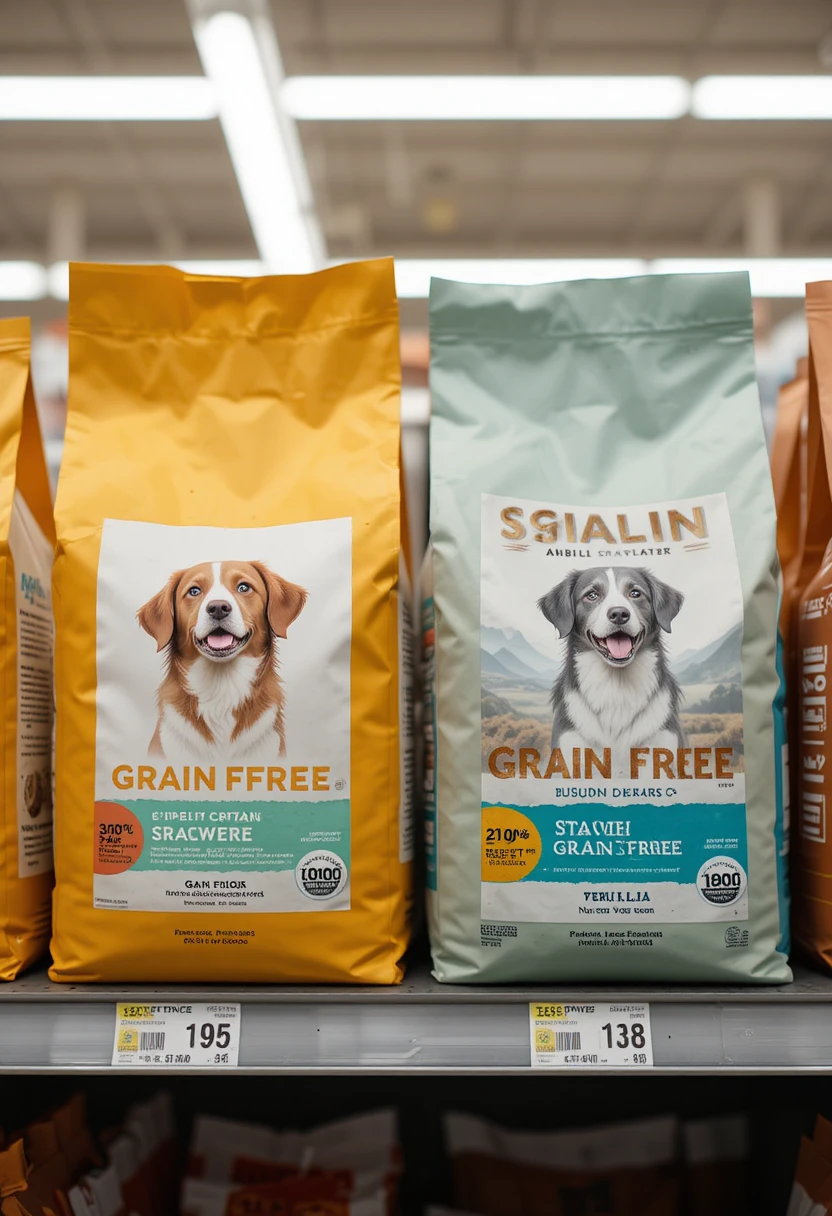
Grain-free formulas typically cost noticeably more per bag than grain-inclusive counterparts, sometimes 20–40% more depending on the brand. For multi-dog households or large-breed dogs going through food quickly, that adds up fast over a year.
10. Grains Aren’t the Villain They’re Made Out to Be
Whole grains contribute real nutritional value fiber, B vitamins, and minerals and are digestible for the vast majority of dogs. Cutting them out with no medical reason doesn’t automatically make a diet “healthier”; it just changes where the carbohydrates come from.
11. Legume-Heavy Recipes May Affect Taurine and Bile Acid Levels

Some research has found that certain grain-free diets can influence taurine metabolism and bile acid excretion in specific breeds, even when overall nutrient levels meet AAFCO minimums. Taurine plays a role in heart health, which ties back into the DCM conversation above. This doesn’t mean every grain-free food is a risk but it does mean “grain-free” is not automatically synonymous with “heart-healthy.”
12. Marketing Can Outpace the Actual Science
A lot of grain-free marketing implies that grains are inherently toxic or “filler” language that isn’t well supported by veterinary nutrition research. Dogs are not strict carnivores, and for a dog with no diagnosed sensitivity, there’s often no clear health benefit to going grain-free at all.
13. Switching Without a Plan Can Cause GI Upset

Any sudden diet change grain-free or not can trigger vomiting, diarrhea, or appetite changes if it’s not introduced gradually. This is a con of switching diets in general, but it applies just as much to grain-free transitions as any other.
14. Not Regulated as a “Health” Category
“Grain-free” is a marketing and formulation term, not a regulatory health claim. There’s no guarantee that a grain-free label means a food is more complete, more balanced, or safer than a grain-inclusive one from the same price tier.
So… Is Grain-Free Right for Your Dog?
Here’s the honest, unglamorous answer: it depends on your specific dog, not on which shelf looks more premium.
Grain-free may be worth exploring if your dog has:
- A veterinarian-confirmed grain allergy or intolerance
- A history of digestive upset traced specifically to grain ingredients
- A specific dietary protocol recommended by a vet nutritionist
Grain-free is probably not necessary if your dog:
- Has no diagnosed food sensitivity
- Is a large or giant breed with any predisposition to heart conditions
- Would do just as well (and save you money) on a high-quality grain-inclusive diet
The one thing every vet nutritionist agrees on: don’t choose a diet based on a trend or a bag’s marketing language. Choose based on your dog, ideally with your veterinarian in the loop especially if DCM risk factors apply.
How to Choose a High-Quality Grain-Free Food (If You Go That Route)
If you and your vet decide grain-free is the right path, a few practical filters help:
- Check the carb source. Formulas relying heavily on peas or lentils as the top 2–3 ingredients warrant more caution than ones using a single moderate legume source alongside other carbs.
- Look for AAFCO statements. Confirm the food meets AAFCO’s complete-and-balanced standards for your dog’s life stage.
- Ask about taurine. Some brands now supplement taurine directly, given the ongoing DCM research this is worth asking about directly.
- Watch your dog after switching. Energy levels, coat condition, stool quality, and any coughing or unusual tiredness are all worth tracking for the first few months.
- Loop in your vet for large breeds. Large and giant breeds carry higher baseline cardiac risk, so this conversation matters more for a Great Dane than a Chihuahua.
Frequently Asked Questions
Is grain-free dog food bad for all dogs?
No. The research doesn’t support blanket claims that grain-free food is dangerous for every dog. The concern is specifically tied to diets very high in legumes, and even then, a direct cause-and-effect relationship hasn’t been definitively proven it remains an active research area.
What are the signs of diet-associated heart problems in dogs?
Possible symptoms include coughing, difficulty breathing, unusual weakness, or fainting though some dogs show no obvious signs at all in early stages. Any of these symptoms warrant a prompt vet visit and, ideally, a cardiac workup.
Do grain-free diets help with dog allergies?
Only if the allergy is actually to a grain, which is less common than allergies to protein sources like beef, dairy, or chicken. An elimination diet with your vet is the most reliable way to identify the true trigger before switching formulas.
Can I switch my dog back to grain-inclusive food safely?
Yes, as long as the transition is gradual typically over 7–10 days, mixing increasing amounts of the new food with the old to avoid GI upset.
The Bottom Line
Grain-free dog food isn’t the miracle diet the marketing sometimes suggests, and it isn’t the danger some headlines made it sound like either. The truth sits in the middle: it’s a legitimate option for dogs with real, diagnosed sensitivities, and a genuine consideration point for large-breed owners given the ongoing DCM research but it’s not a universal upgrade for every dog’s bowl.