
Picture this: you clip on the leash, open the front door, and instead of a calm stroll, you’re being dragged down the sidewalk by 40 pounds of pure excitement. Your arm aches, your dog is choking against the collar, and every walk feels like a tug-of-war you’re losing.
Here’s the good news: leash pulling isn’t a personality trait it’s a skill gap. No dog is born knowing how to walk politely beside a human. It’s a learned behavior, and with the right approach, almost any dog puppy or full-grown rescue can learn to walk calmly on a loose leash.
At PetsNestly, we’ve pulled together 13+ tested, trainer-approved strategies that take the guesswork out of leash training. Whether you’re starting with an 8-week-old puppy or working with a 3-year-old chronic puller, this guide will walk you through it step by step.
What You’ll Need Before You Start
A few basics make this process dramatically easier:
- A properly fitted harness or collar. For most dogs, a front-clip harness gives you more control without putting pressure on the neck. Head halters are another gentler option for strong pullers.
- A standard 4-to-6-foot leash. Skip the retractable leash entirely during training it teaches the opposite of what you want.
- A treat pouch stocked with high-value treats. Small, soft, and irresistible works best.
- A marker word or clicker. A simple “yes!” the instant your dog does the right thing speaks louder than any correction ever could.
Now, let’s get into the strategies.
1. Start Leash Training Indoors First
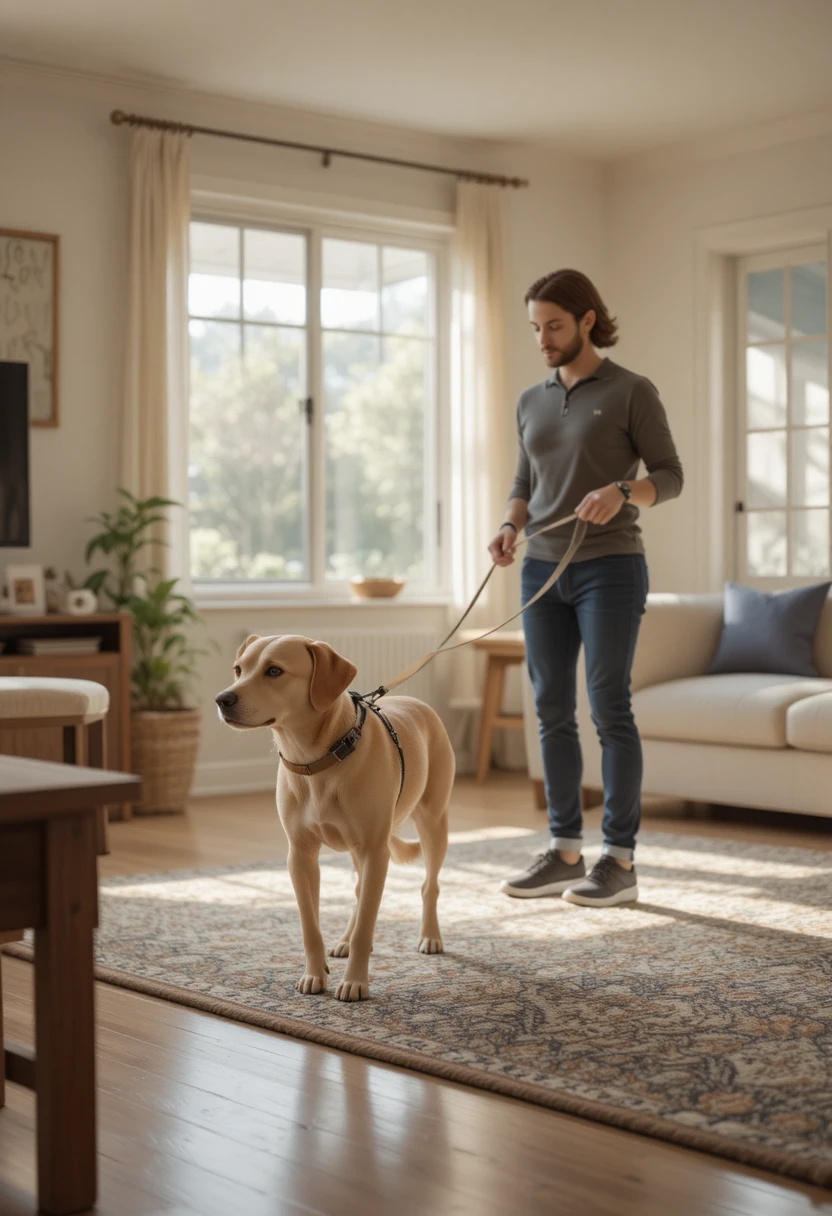
You don’t need to wait until vaccinations are done or your dog is “walk-ready” to start training. In fact, the best place to begin is somewhere with zero distractions: your living room, hallway, or backyard.
Clip the leash on, let your dog drag it around while supervised, and get them used to the feeling of something attached to them before you ever step outside.
2. Choose Gear That Sets You Up for Success
The wrong equipment can sabotage even the best technique. A collar that lets your dog slip out, or a harness that encourages pulling, will work against you.
- Puppies and small dogs: a well-fitted harness prevents pressure on a developing neck.
- Strong pullers: a front-clip harness redirects a dog’s momentum sideways instead of letting them pull straight ahead.
- Dogs that need extra guidance: a head halter offers gentle steering, similar to a horse halter.
3. Let Your Dog Sniff and Investigate the Leash
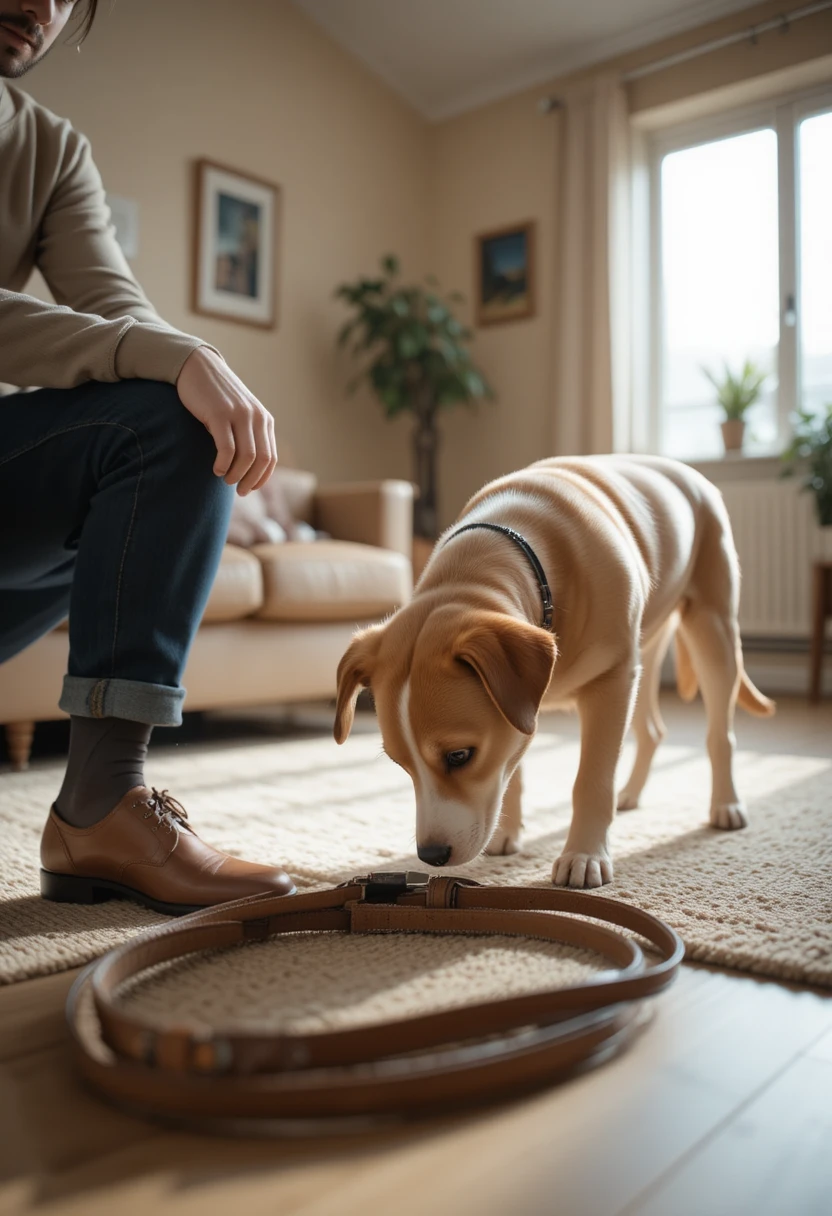
Some dogs freeze up, bite at the leash, or panic the first time it’s clipped on. Don’t rush this step. Let your dog sniff the leash, drop treats near it, and reward calm curiosity before attaching it.
This small pause prevents a lot of the resistance people mistake for “stubbornness.”
Read Also: How to Stop a Dog From Jumping on People: 12 Proven Tips That Actually Work
4. Pick a Low-Distraction Starting Location
Dogs can’t learn a brand-new skill in a high-stimulation environment. Save the busy park for later. Start in your house, backyard, or a quiet driveway somewhere your dog already feels safe.
Once your dog is reliably walking loose-leash in that low-key setting, then you gradually level up the environment.
5. Use a Marker Word and High-Value Treats
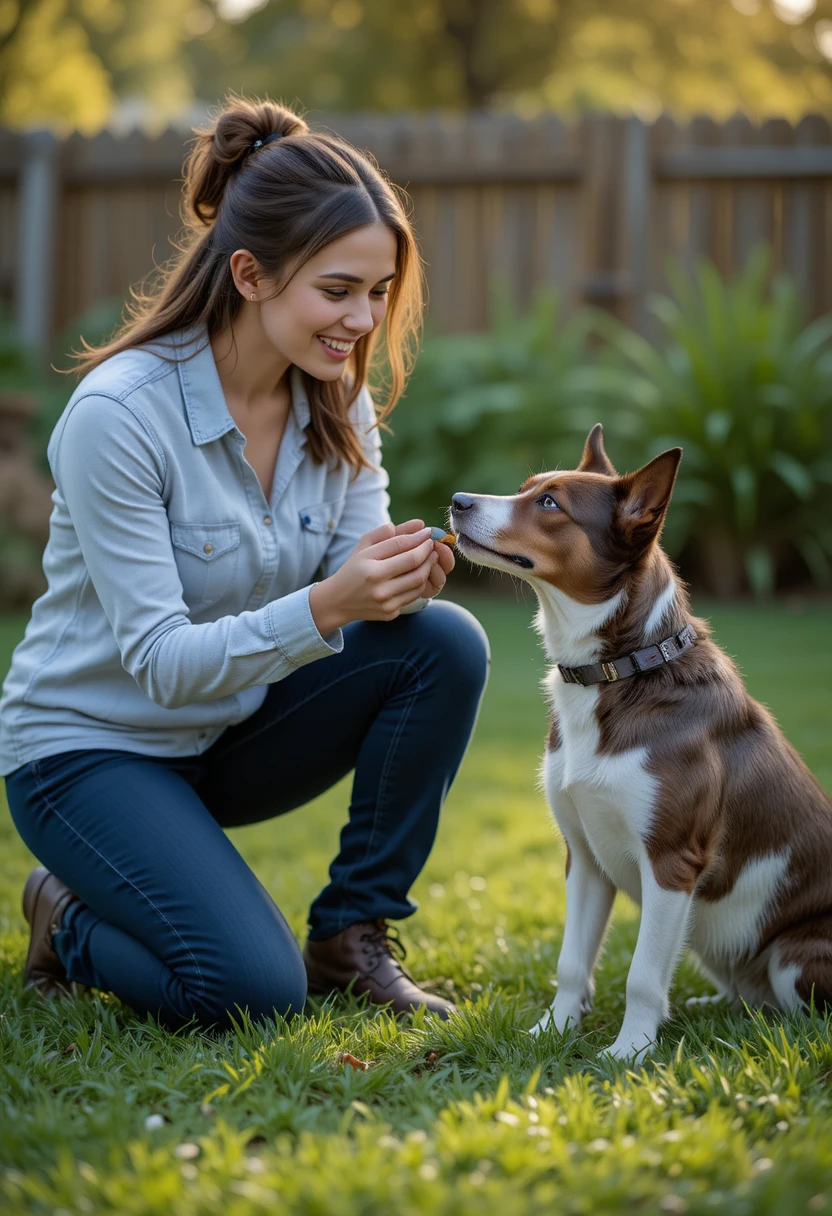
This is the heart of positive-reinforcement leash training. Every time your dog is in the correct position leash slack, walking calmly beside you mark the moment with a clicker or a cheerful “yes!” and follow it immediately with a treat.
6. Decide Which Side Your Dog Will Walk On
Pick a side left or right and stick with it. Hold treats in the hand on that side so your dog naturally gravitates there. Consistency here prevents the constant side-switching and leash-tangling that frustrates so many new dog owners.
7. Try the “Be a Tree” Method
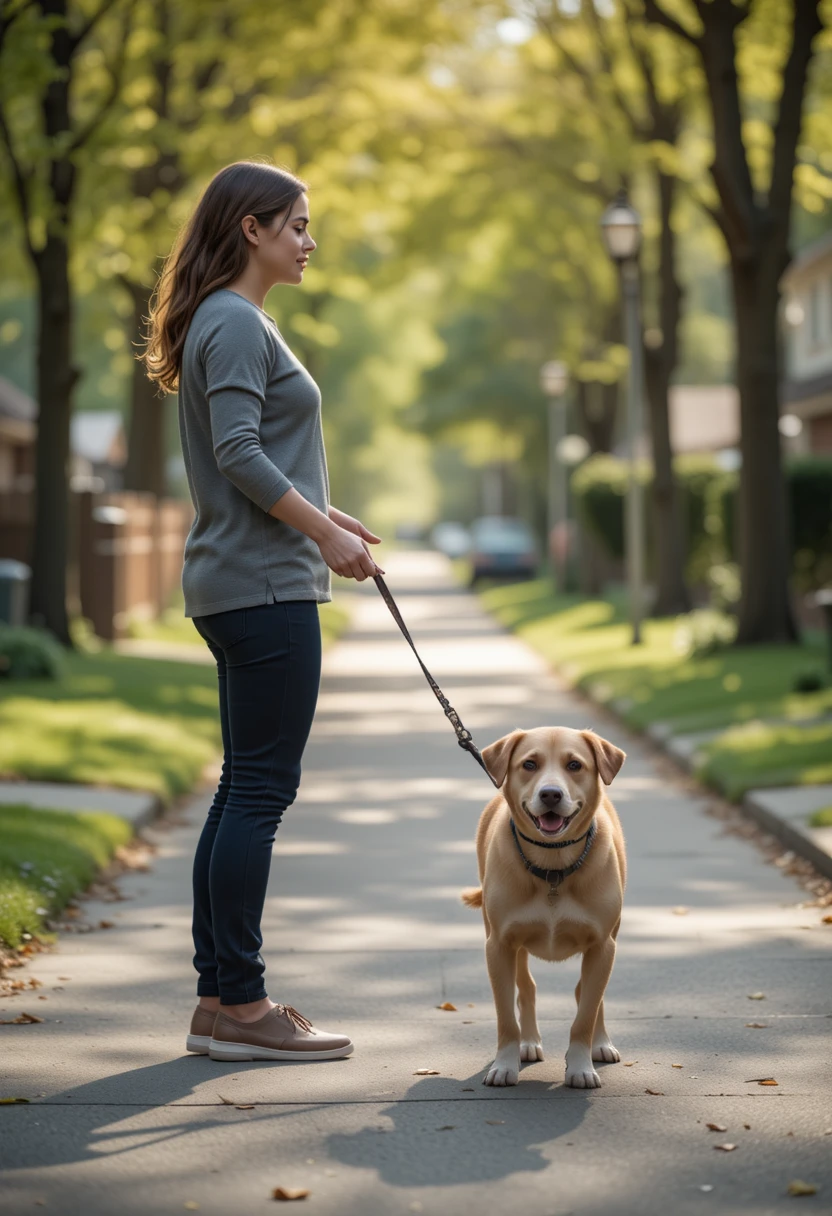
This is one of the simplest, most effective pulling fixes out there:
The moment the leash goes tight, stop walking completely. Plant your feet like a tree. Don’t move, don’t yank, don’t say anything just wait.
The instant your dog turns back toward you or the leash goes slack, mark it, reward it, and continue walking. Dogs quickly learn: pulling gets us nowhere, but a loose leash gets us moving forward.
8. Use “Penalty Yards” for Chronic Pullers
For dogs with a strong pulling habit, some trainers recommend a step further than simply stopping: the moment the leash tightens, calmly back up three or four steps before continuing forward. This makes the consequence of pulling even clearer pulling actually moves them farther from where they want to go.
9. Build Rock-Solid Name Recognition

A dog that reliably turns to look at you when you say their name is a dog you can redirect around distractions, other animals, or hazards. Practice this constantly, both during and outside of formal training sessions always follow their name with something positive, never a scolding.
This single skill will save you in countless real-world walking situations, from spotting a squirrel to avoiding a startled skunk.
10. Reward the Walking, Not Just the Sit
A common mistake: only rewarding your dog when they sit or stay still. Loose-leash walking is a moving behavior, so the reward needs to come while they’re walking calmly beside you not just when they stop.
Randomize your treat timing so your dog never knows exactly when the next reward is coming. This keeps their attention locked on you instead of drifting to whatever’s up ahead.
11. Keep Training Sessions Short and Upbeat
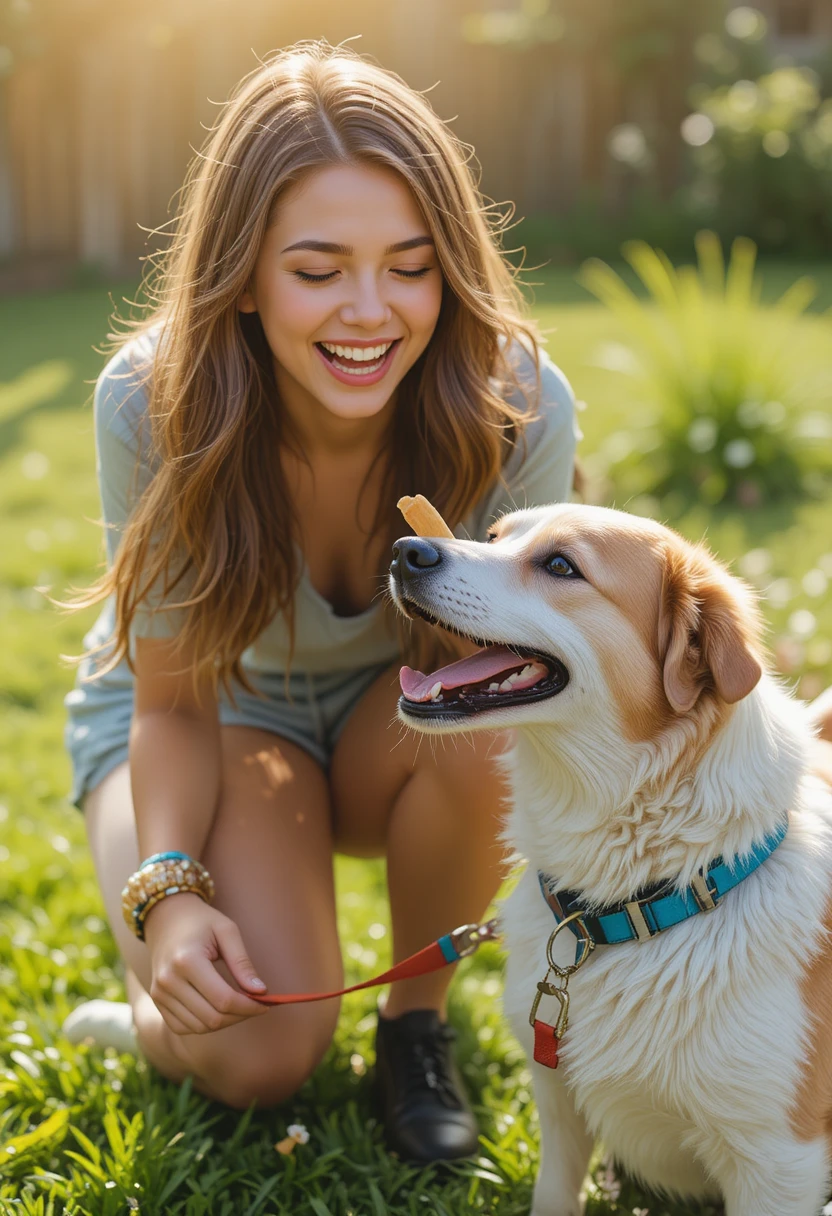
Five to ten focused minutes, two or three times a day, will get you further than one exhausting hour-long walk. Short sessions keep your dog engaged, prevent frustration on both ends of the leash, and make training feel like a game rather than a chore.
Always end on a win a few good steps followed by a jackpot reward so your dog associates leash time with success.
12. Gradually Layer In Real-World Distractions
Once your dog has mastered loose-leash walking at home, slowly increase the challenge:
- Quiet street → busier sidewalk
- Empty park → park with other dogs at a distance
- Calm daytime walk → early evening with more foot traffic
If your dog starts pulling again at any stage, that’s not a failure it just means you leveled up too fast. Dial it back a notch and rebuild from there.
13. Skip the Retractable Leash During Training
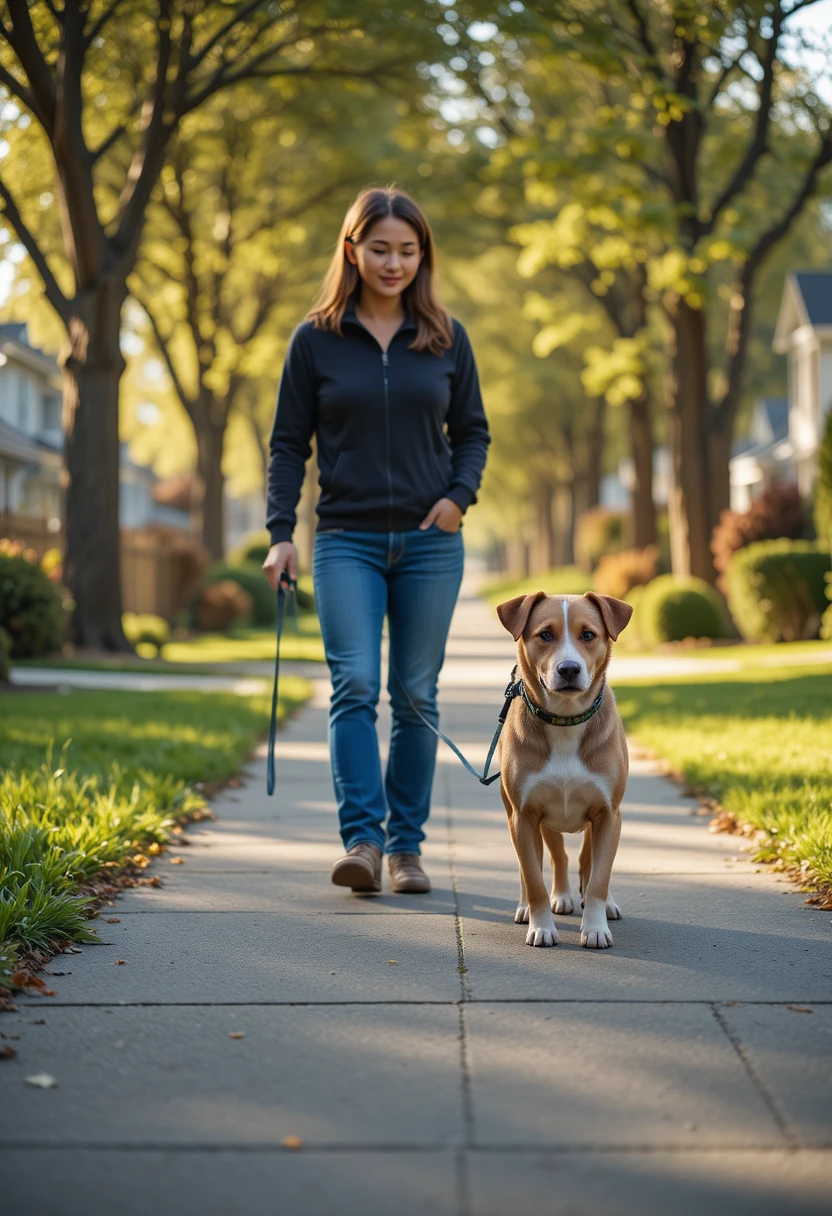
Retractable leashes teach dogs that pulling extends their freedom the exact opposite lesson you’re trying to reinforce. Stick to a standard 4-to-6-foot leash until loose-leash walking is second nature. You can reintroduce more freedom-based tools later, once the fundamentals are solid.
14. Get Everyone in the House on the Same Page
If one family member allows pulling while another enforces the “be a tree” method, your dog will get mixed signals and progress will stall. Make sure everyone who walks the dog uses the same cues, the same side, and the same consequences for pulling.
15. Know When to Bring in a Professional
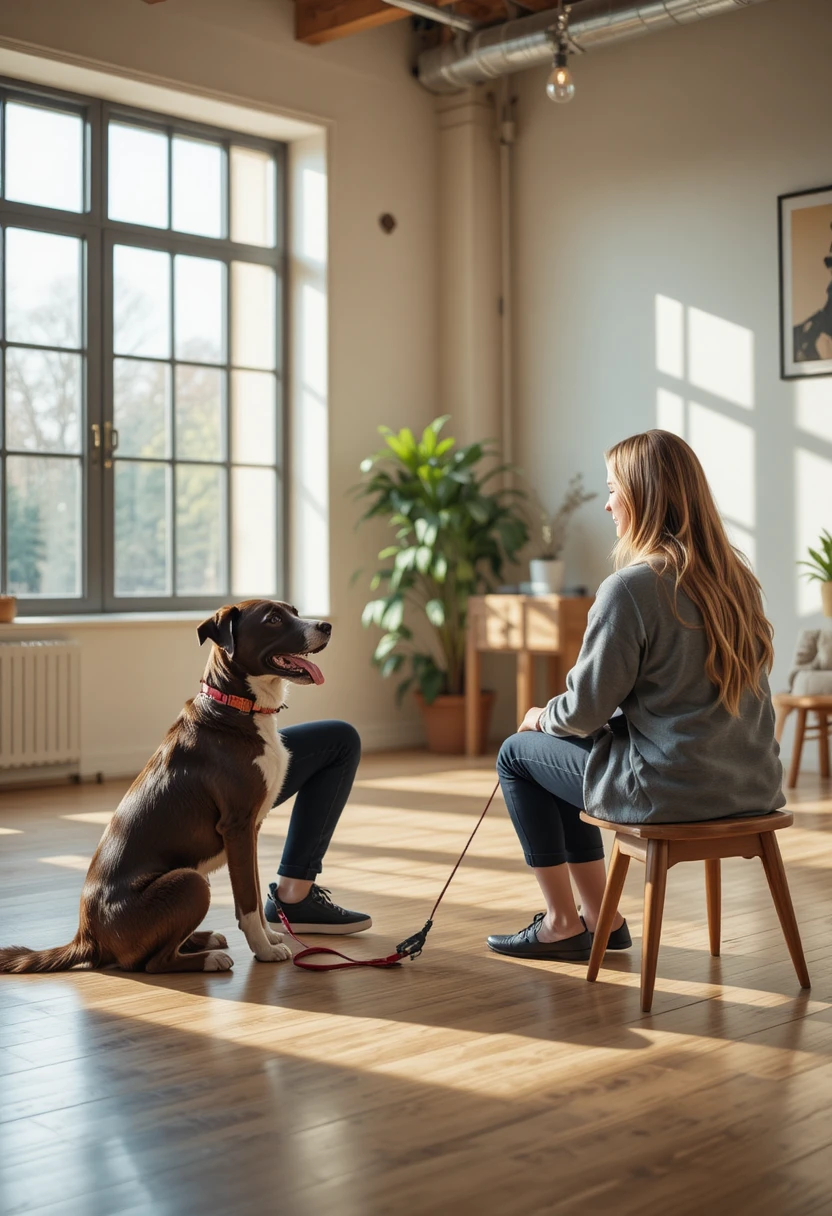
If you’ve been consistent for several weeks and you’re still dealing with intense pulling, leash reactivity, or fear-based behavior, there’s no shame in calling in a certified professional dog trainer (CPDT). Some behaviors especially reactivity toward people or other dogs are best addressed with hands-on, personalized guidance.
How Long Does Leash Training Take?
This varies a lot by dog. A young puppy with no bad habits yet might pick up loose-leash walking in just a couple of weeks of short, consistent sessions. An adult dog with years of pulling behind them will take longer — sometimes a couple of months — simply because there’s more to unlearn. The key factor isn’t the dog’s age or breed; it’s consistency. Dogs trained with short, frequent, reward-based sessions almost always progress faster than dogs walked the same “old way” while owners hope things will magically improve.
Frequently Asked Questions
Is it too late to leash train an older dog?
Not at all. It typically takes more patience and repetition than with a puppy, but adult dogs and rescues can absolutely learn loose-leash walking using the same reward-based methods.
Should I use a harness or a collar?
For most dogs, especially puppies and pullers, a front-clip harness offers better control without straining the neck. A properly fitted collar can work for dogs that already walk calmly, but it’s not ideal for a dog still learning.
My dog just freezes and won’t move on the leash. What do I do?
This is common, especially with rescues or dogs new to leashes. Don’t drag them forward. Sit down near them, drop a few treats, and let them relax before trying again. Building positive associations with the leash itself often resolves this within a few short sessions.
What if my dog lunges at other dogs while on leash?
This is leash reactivity, and it usually needs a slightly different approach than general pulling often involving distance management and counter-conditioning. If it’s frequent or intense, working with a certified trainer will get you faster, safer results.
Final Thoughts
Leash training isn’t about dominance, force, or “correcting” your dog into submission it’s about clear communication and consistent rewards. Start small, stay patient, and celebrate the tiny wins: three calm steps in a row is real progress.