
Here’s the thing: that little nip on your hand from your puppy today? If you don’t handle it now, it can turn into a full-grown dog who thinks your fingers are chew toys. Nobody wants to flinch every time their dog gets excited.
Whether you’ve got a teething puppy who treats your hands like squeaky toys, or a grown dog who’s started snapping out of fear or frustration, you’re in the right place. Below are 12+ real, vet-backed and trainer-approved ways to stop the biting for good — and the fourth one below is the single most overlooked trick most owners never try.
Save this guide now, because you’re going to want to come back to it as you work through each step.
Why Do Dogs Bite in the First Place?
Before you can stop the behavior, it helps to know what’s driving it. Dogs don’t bite out of spite a puppy’s adult teeth typically start coming in between 12 and 16 weeks old, and their gums can be sore during that window, which is part of why biting tends to peak around 13 weeks of age. That’s teething, not trouble making. why your dog is doing it. Let’s get into the 12 tips.
1. Let Puppy Bites Sting Then React Like Another Puppy Would
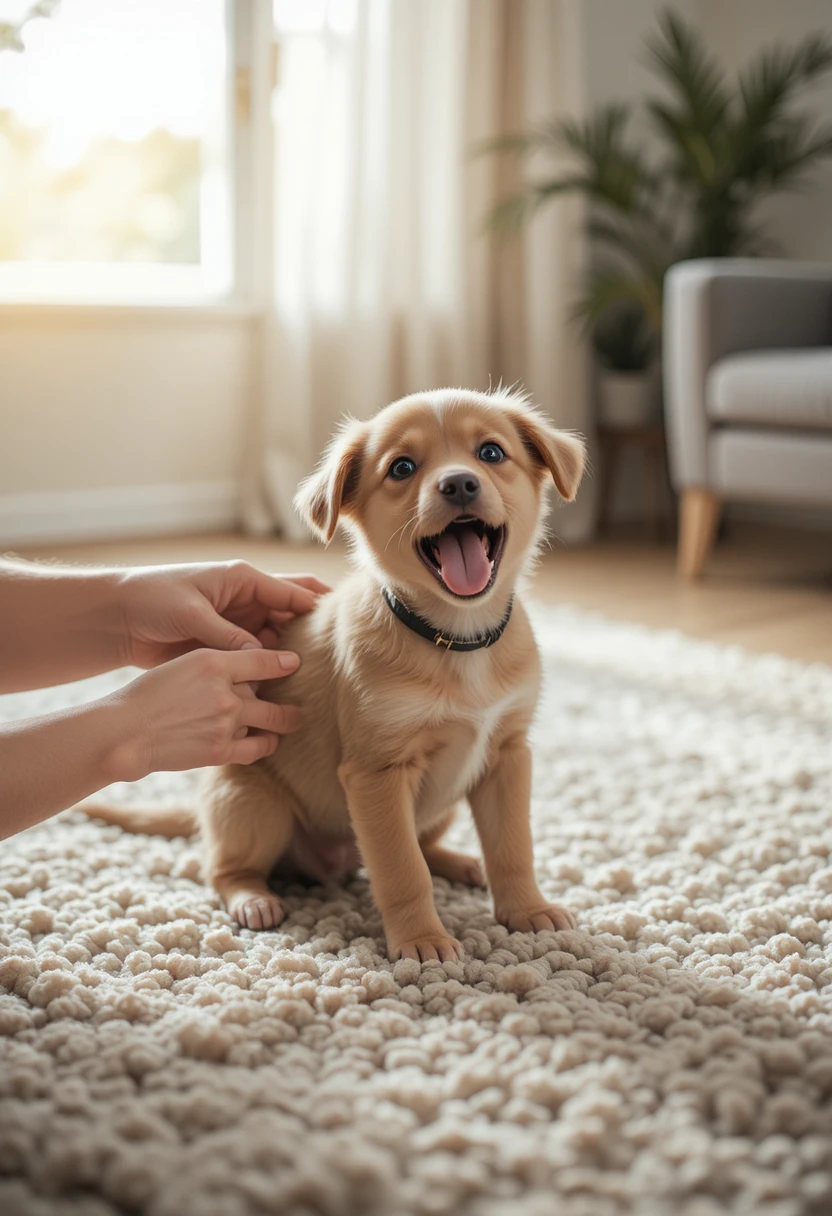
When puppies play together, they teach each other bite inhibition naturally. When one puppy bites too hard, the other yelps and stops playing and through that feedback, the biter learns to soften their bite so play can continue.
You can mimic this at home. The next time your puppy nips too hard, let out a sharp, high-pitched “ouch!” and stop moving your hand. Most puppies pause in surprise. That split-second reaction is often more effective than any verbal scolding.
Quick tip to save: A calm, consistent yelp beats yelling every time.
2. Turn Into a Statue (Then Walk Away)
Dogs bite for attention as much as anything else even negative attention. If your puppy latches on, don’t yank your hand away (that mimics prey and often escalates the bite). Instead, go still, then calmly stand up and walk out of the room for 30 seconds.
This isn’t punishment; it’s a “the fun stops when the biting starts” message. Return once your dog has settled, and immediately reward calm behavior with praise.
3. Swap Your Skin for a Toy Every Single Time
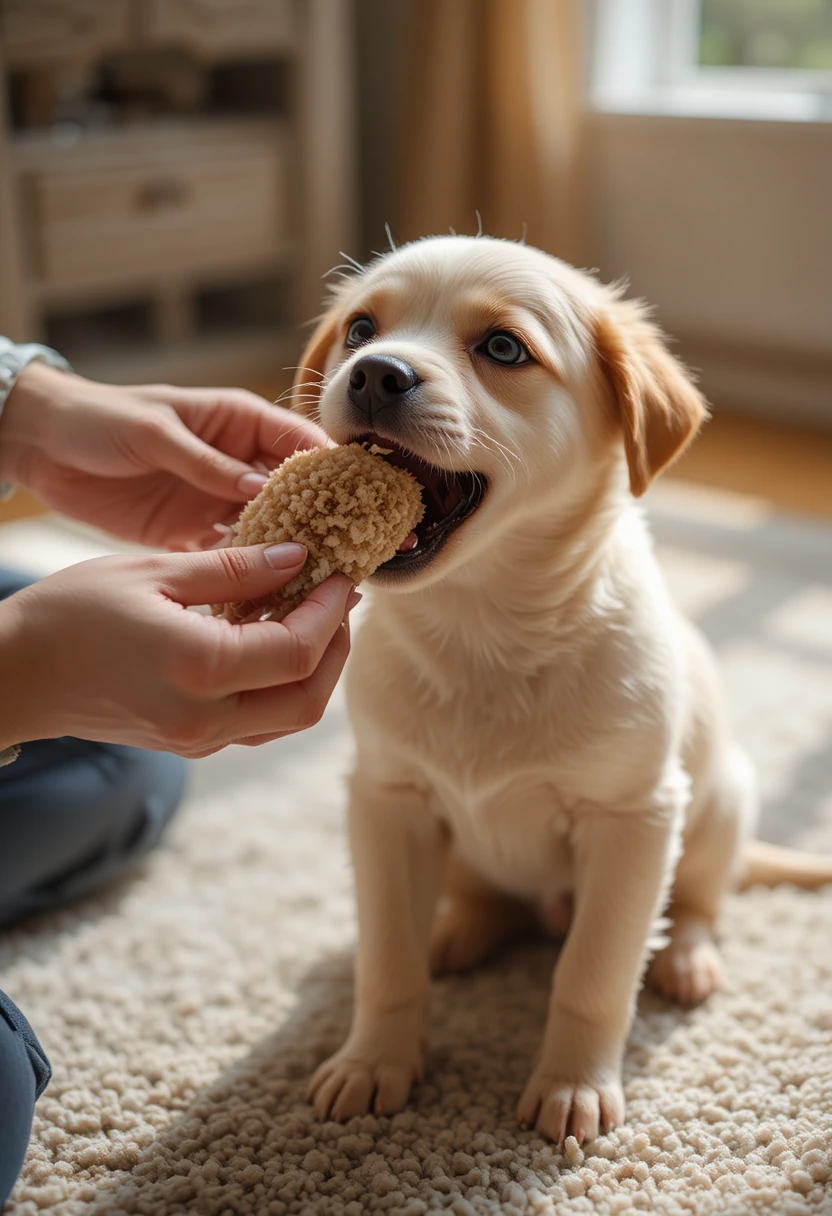
Redirection is one of the most reliable tools you have. Keeping a chew toy within reach lets you anticipate a nip and swap it in for your hand or the furniture before the bite happens, teaching your dog exactly what’s okay to put their mouth on.
Keep toys scattered in every room your dog frequents living room, hallway, by the door so you’re never caught without a substitute at the exact moment you need one.
Read Also: How to Leash Train a Dog: 13+ Proven Tips for Stress-Free Walks
4. Give the “Closed Fist” Exercise a Try (Most Owners Skip This One)
This is the tip most people never hear about, and it’s genuinely one of the most effective for teaching gentleness. Wave a closed fist near your dog’s face, and pull it away if they try to nip it. Try again, and once they don’t bite, reward them with a treat or piece of food.
Repeating this exercise teaches your dog that a gentle mouth or no mouth at all earns the reward, while nipping makes the “prize” disappear.
5. Tire Them Out Physically and Mentally
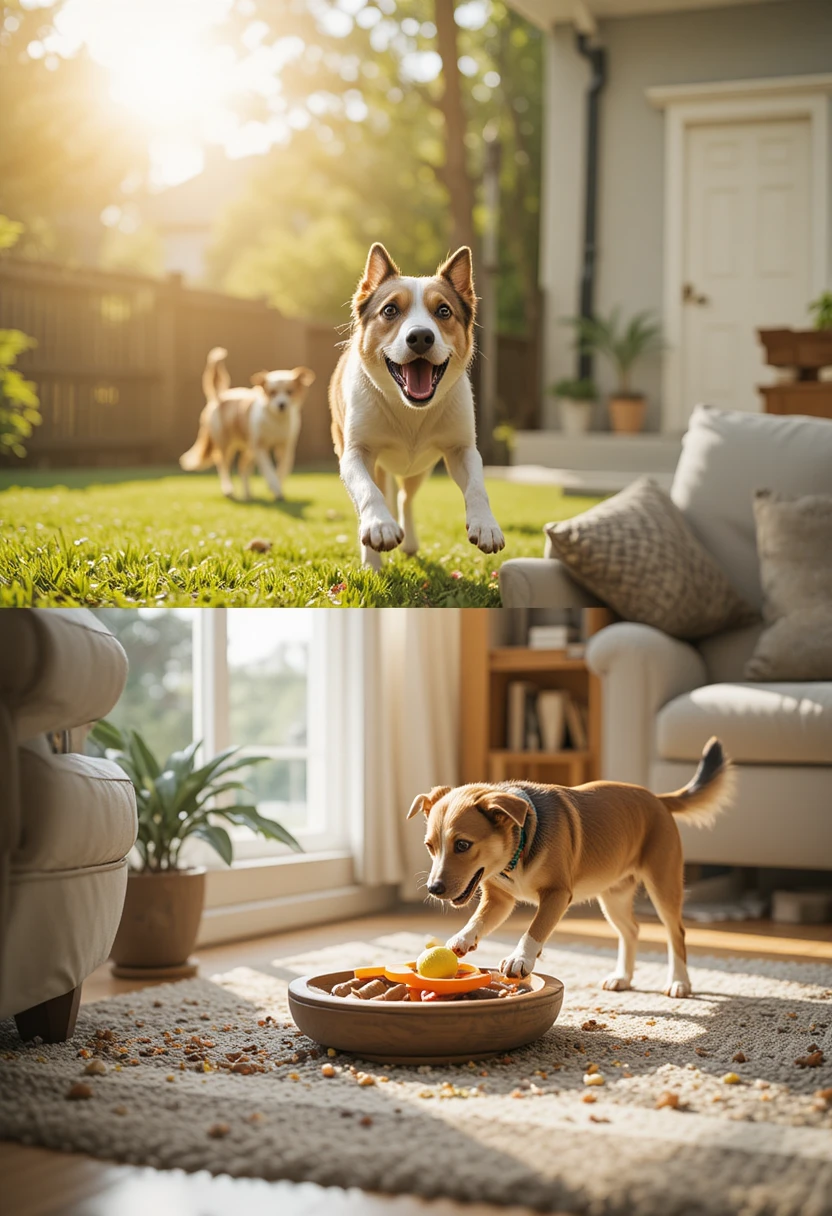
A bored dog is a biting dog. Daily walks, structured play sessions, and puzzle toys all help burn off the excess energy that often turns into nipping. This is especially true for high-energy breeds and adolescent dogs going through their “teenage” phase.
Rotate the type of exercise you offer a sniff-heavy walk one day, a fetch session the next, a food puzzle on a rainy afternoon — to hit both the body and the brain.
6. Reward the Behavior You Actually Want
It’s tempting to focus only on correcting bad behavior, but positive reinforcement moves faster. Praising and rewarding your dog the moment they choose to lick instead of bite, or stay calm instead of mouthing, teaches them what earns your attention far more effectively than punishment does.
Keep a small pouch of treats nearby during high-energy play so you can mark and reward gentle moments the instant they happen.
7. Never Roughhouse in a Way That Invites Biting
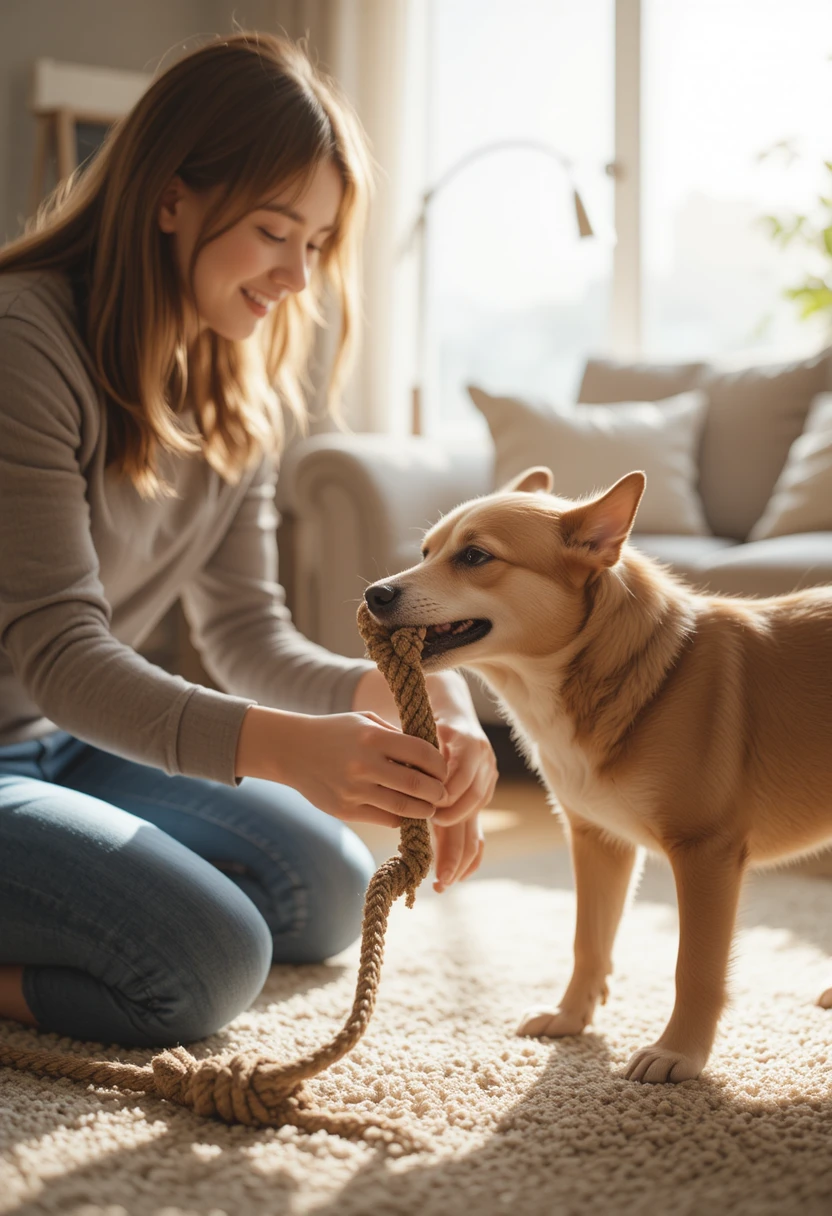
It feels harmless to wrestle with a puppy or let them gnaw playfully on your hand until that habit follows them into adulthood at 60 pounds. A dog trainer quoted by AKC specifically warns against roughhousing in ways that encourage a young dog to lose control and bite.
Save-worthy reminder: If you wouldn’t want the behavior from a 70-lb dog, don’t teach it to an 8-lb puppy.
8. Try the “Freeze and Withdraw” Method
One AKC-featured trainer suggests turning around and tucking your hands into your armpits when your dog starts mouthing — a subtle, non-confrontational way of signaling that the fun has paused. It works because it removes the target (your hands) without adding drama or excitement, which can otherwise accidentally reward the behavior.
9. Puppy-Proof the Environment
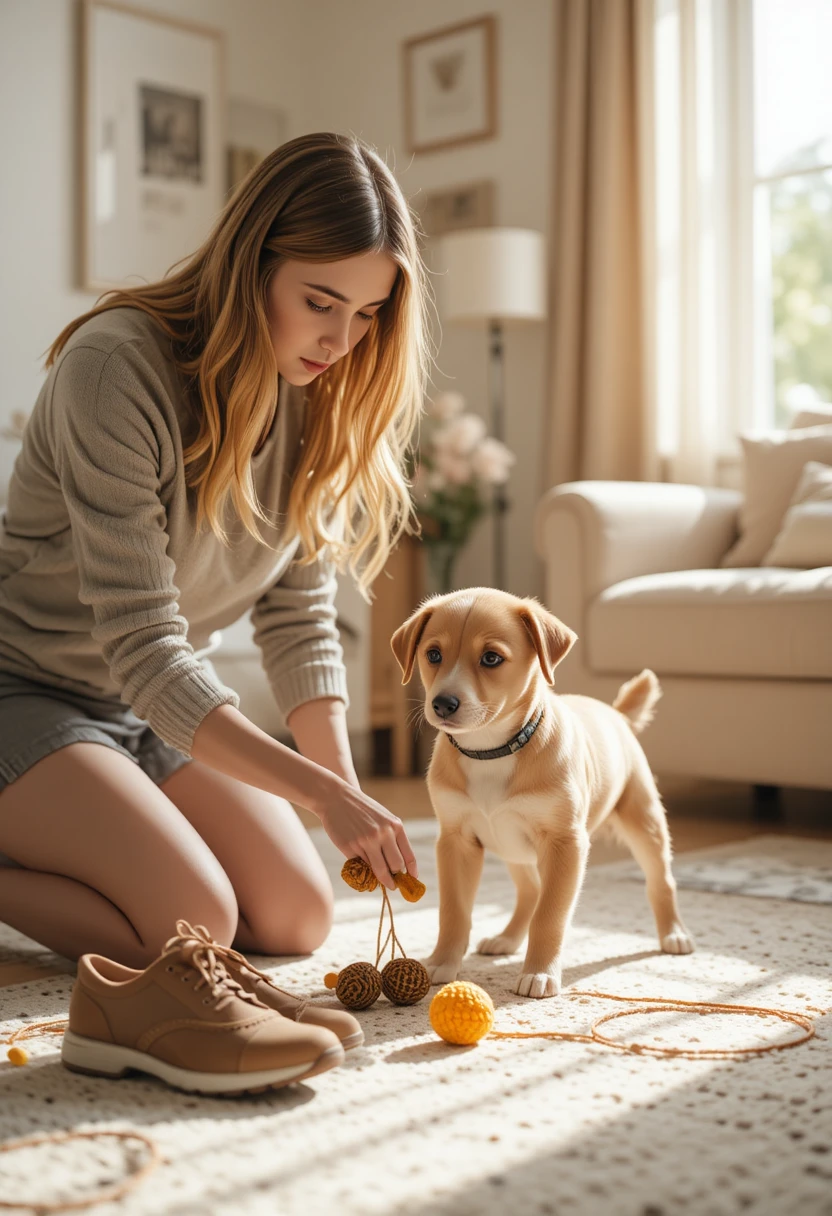
You can’t train what you can’t manage. Removing tempting chewable items like shoes and cords helps avoid accidentally reinforcing the idea that “chew = fun” before your dog has learned better boundaries.
- Store shoes behind closed doors
- Bundle or hide loose cords
- Use baby gates to limit access to high-temptation rooms until training solidifies
10. Socialize Carefully With Other Dogs
Letting your puppy interact with vaccinated, well-behaved dogs helps because adult dogs naturally correct nippy behavior walking away or giving a warning growl when a pup bites too hard. This peer feedback reinforces everything you’re teaching at home.
Just be selective: choose calm, well-socialized playmates and avoid crowded dog parks until your puppy is fully vaccinated.
11. Consider Spaying or Neutering

Spaying or neutering can help reduce a dog’s desire to bite in males, it lowers testosterone, which is linked to reduced aggression, and the procedure can also lower the drive to fight or roam in dogs of either sex. This isn’t a stand-alone fix, but combined with training, it can meaningfully support calmer behavior.
Talk to your vet about the right timing for your dog’s breed and size.
12. Address Pain or Illness First
If an adult dog suddenly starts biting out of nowhere, don’t jump straight to training. Dogs in pain are more likely to bite, and parasite control plus regular vet checkups matter because how a dog feels directly affects how it behaves. Rule out a medical cause before assuming it’s purely behavioral.
13. Know When to Call In a Professional

Some biting goes beyond what home training can fix. If the biting is frequent, intense, fear-based, or causing injury, it’s time to bring in a certified dog trainer who can build a plan tailored to your dog and for more complex cases, a veterinary behaviorist can help identify underlying causes.
There’s no shame in this step. Professional guidance often gets results in weeks that DIY methods take months to achieve.
Bonus: What NOT to Do
Just as important as what works is knowing what backfires:
- Don’t yell or hit this increases fear and can escalate aggression rather than resolve it
- Don’t grab or pull your hand away sharply it mimics prey movement and can intensify the bite reflex
- Don’t ignore sudden changes in biting especially in adult dogs, since this can signal pain, fear, or a health issue that needs medical attention
What to Do If a Bite Actually Breaks Skin
Even with the best training, accidents happen. If you or someone else has been bitten:
- Wash the wound thoroughly with soap and water
- Contact a doctor for specific care instructions
- If the bite happened in public or involves an unfamiliar dog, restrain and separate the dog from the scene, and encourage the victim to seek medical advice regarding infection or rabies risk
- Call emergency services if the situation involves an immediate danger to anyone present
Frequently Asked Questions
At what age does puppy biting usually peak?
Puppy biting tends to peak around 13 weeks old, when adult teeth are coming in and gums are sore.
Will my puppy grow out of biting on their own?
Not reliably. Left unaddressed, mouthing habits often carry into adulthood. Early, consistent redirection is what actually resolves it.
Is it normal for an older dog to suddenly start biting?
It’s common enough to warrant attention but it’s not something to ignore. A sudden change is often linked to pain, fear, or a new stressor, so a vet visit is the right first step.
How long does it typically take to stop a dog from biting?
It varies by dog, but with daily, consistent redirection most owners see meaningful improvement within a few weeks. Dogs with fear-based or injury-causing biting may need longer, professional-guided timelines.
Should I punish my dog for biting?
No. Verbal and physical corrections don’t teach a dog how to behave they only teach the dog to suppress the behavior or escalate it defensively. Redirection and reward work far better long-term.
The Bottom Line
Biting is one of the most normal and most fixable behaviors in dog ownership. Whether you’re dealing with a teething puppy or an adult dog who needs a refresher, the formula is the same: redirect the behavior, reward the good, remove the temptation, and rule out pain. Stay consistent, and you’ll likely see real progress within weeks